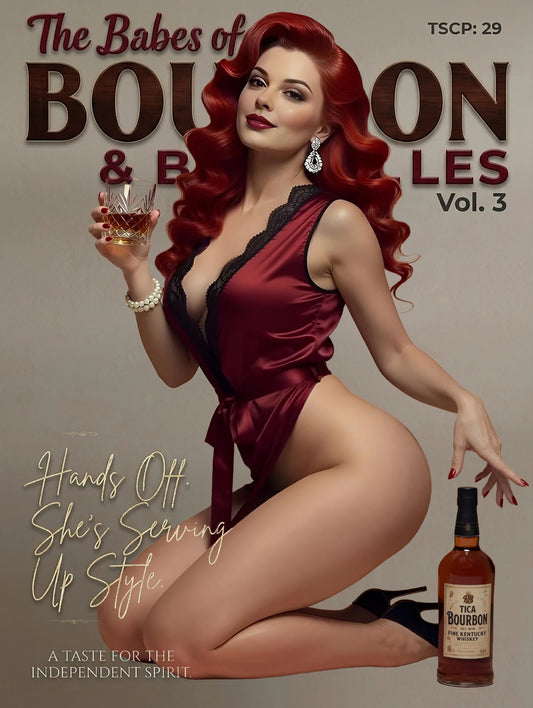
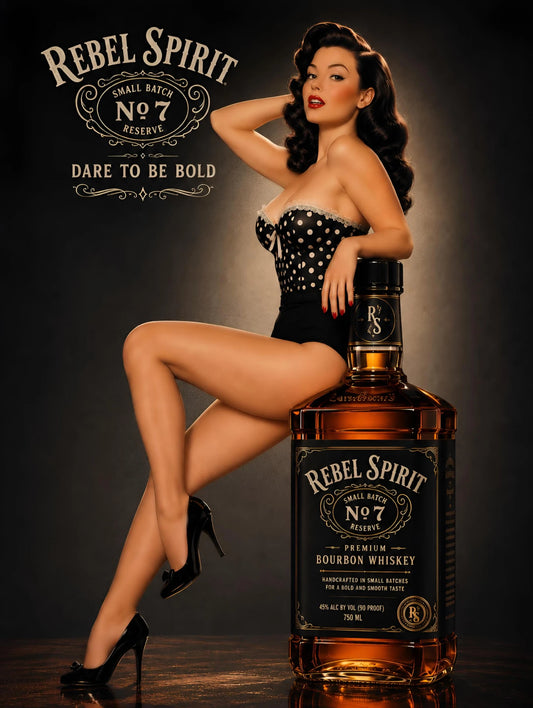
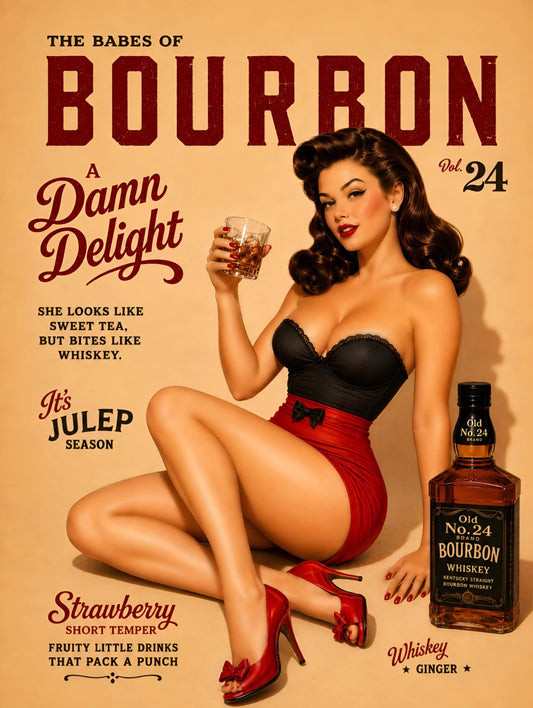
Some art forms belong to their moment — spectacular in their era, interesting in retrospect, but ultimately products of a specific time that cannot transcend its boundaries. And then there is pin up art — which was produced primarily between 1940 and 1960, reached its commercial peak in a world of limited color printing and calendar distribution, and has never, not for a single decade since, stopped captivating new audiences and inspiring new generations of artists and admirers.
This is the definitive guide to pin up art — everything you need to understand, appreciate, and ultimately participate in one of the 20th century's most enduring visual traditions. Whether you're discovering it for the first time or deepening a lifelong love, this guide will take you from the earliest roots of the tradition to the living, contemporary practice that continues today at Pinup Art Studio.
📜 What Is Pin Up Art?
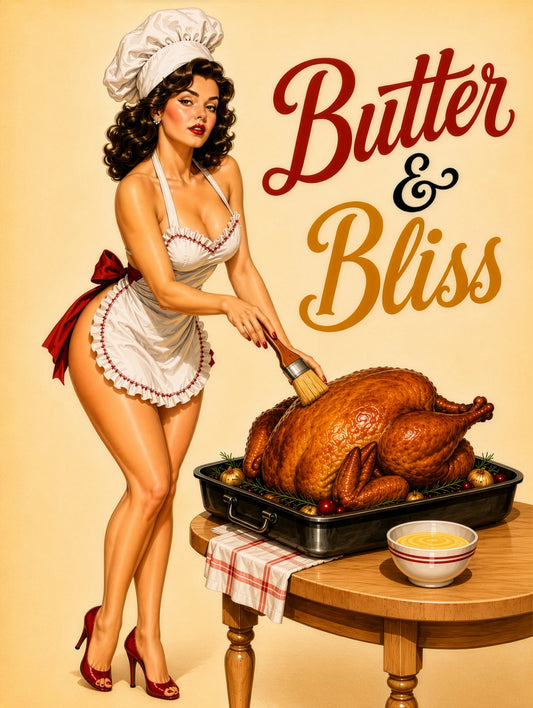
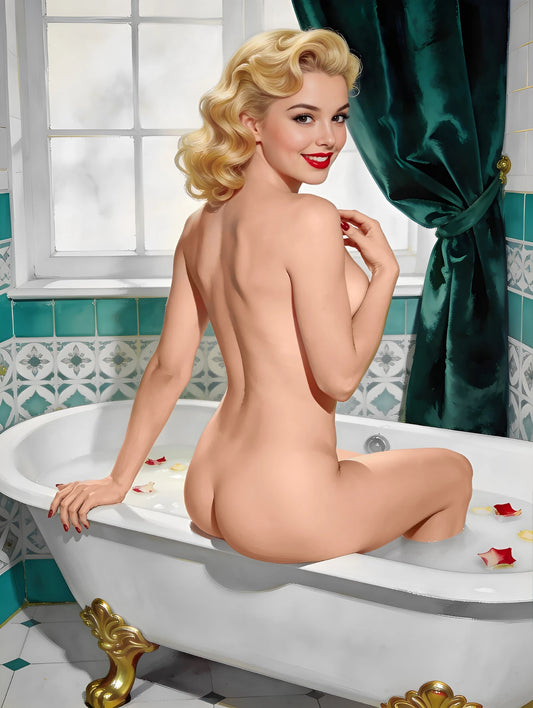
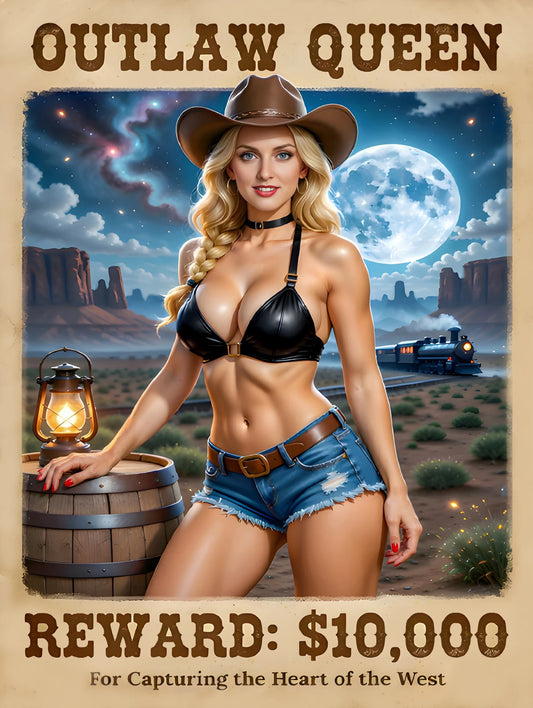
At its most essential, pin up art is artwork depicting a person — almost always a woman — in a glamorous, confident, stylized pose, rendered in the specific visual vocabulary of mid-20th-century American illustration. The name derives from the practice of literally "pinning up" these images — on barracks walls, in workplaces, on bedroom doors — making them part of the lived environment rather than formal gallery displays.
But this simple description undersells the tradition enormously. At its best, pin up art is:
Technically extraordinary — The great pin up artists of the golden age were genuinely gifted painters whose mastery of color, composition, and figurative rendering equals anything produced in the fine art tradition of the same era.
Emotionally resonant — The best pin up art communicates warmth, personality, and a specific quality of human presence that purely decorative art cannot achieve.
Culturally significant — Pin up art reflects, shapes, and responds to ideas about femininity, beauty, confidence, and desire that were central to mid-20th-century American culture — and remain relevant today.
Living and evolving — Unlike many historical art forms, pin up art has never calcified into pure nostalgia. It continues to be practiced, developed, and reinterpreted by contemporary artists who find in it a visual vocabulary that speaks to present-day concerns and aesthetics.
Our full collection at Pinup Art Studio — from the classic pin up portrait to the glam pin up portrait to the custom pin up art portrait — is a living continuation of this extraordinary tradition.
🏛️ The Complete History of Pin Up Art
The Victorian Origins (1880s–1900s)
The roots of pin up art stretch back to the chromolithographic printing revolution of the late 19th century. For the first time in history, full-color printed images could be produced affordably enough to use as advertising materials, trade cards, and calendar art.
American manufacturers — tobacco companies, beer producers, patent medicine sellers — began including attractive illustrated cards with their products. The most popular subjects were fashionably dressed, attractively posed women. These were not pin up images in the fully developed sense, but they established the commercial template: a beautiful woman, reproduced in color, used to attract attention and create positive association.
Charles Dana Gibson's "Gibson Girl" (1890s–1910s) was the first truly iconic American feminine ideal produced through mass media — tall, independent, athletically capable, and reproduced on everything from wallpaper to plates. She was the prototype for every pin up figure that followed.
The Transition Era (1920s–1930s)
Rolf Armstrong bridged the Art Deco period and the pin up golden age — his soft pastel technique and luminous feminine figures influenced virtually every pin up artist who followed. His work appeared in magazines, calendars, and advertising throughout the 1920s and '30s, establishing technical and aesthetic standards that persisted for decades.
George Petty began his long run in Esquire magazine in 1933 — creating the "Petty Girl," a long-limbed, elegantly proportioned figure with a crisp, graphic quality that defined Esquire's visual identity for years.
The Golden Age (1940s–1950s)
This is the era that created everything we associate with pin up art at its most iconic. Two artists above all others defined this period:
Alberto Vargas — whose airbrushed "Varga Girls" for Esquire (from 1940) and later Playboy achieved a luminous, almost supernatural beauty that no other medium has fully replicated. Our Vargas-style pin up portrait draws directly from this extraordinary tradition.
Gil Elvgren — whose warm, narrative-rich calendar illustrations for Brown & Bigelow captured the specific humanity and humor of mid-century American domesticity. Our classic pin up portrait honors Elvgren's warm tradition.
WWII elevated pin up art from commercial illustration to cultural institution — servicemen carried pin up images of Betty Grable and the Varga Girls across every theater of war. Aircraft were painted with pin up figures. The images became symbols of home, beauty, and everything the war was being fought to protect.
Our WWII pin up portrait and Army pin up portrait honor this powerful wartime tradition.
The Decline and Underground (1960s–1980s)
As the 1960s brought cultural revolution and the 1970s brought the mainstream emergence of the feminist movement, classic pin up art went somewhat underground. Calendar art continued, but the high-water mark of the form had passed.
Yet the tradition never died. Rockabilly culture kept pin up aesthetics alive. Bettie Page's images continued to circulate. Collectors treasured original Vargas and Elvgren works. And a generation of artists and admirers were quietly developing their appreciation for a tradition they would eventually help revive.
The Revival and Contemporary Era (1990s–Today)
The neo-burlesque revival, the rockabilly renaissance, the explosion of tattoo culture, and the broader cultural rehabilitation of vintage aesthetics combined to bring pin up art back to mainstream relevance with extraordinary force.
Today, pin up art is more widely practiced, more diverse in its practitioners, and more inclusive in its subjects than at any point in its history. At Pinup Art Studio, we are proud participants in this living tradition — creating original, hand-painted portraits for customers worldwide that connect to the golden-age tradition while celebrating the full, magnificent diversity of contemporary humanity.
Browse our full collection at Pinup Art Studio and our 1950s Pinup Girls collection for the complete range.
🖌️ The Master Artists of Pin Up Art
Alberto Vargas (1896–1982) ✨
The most technically refined pin up artist in the tradition's history. His airbrushed technique achieved luminous skin quality that no digital tool has fully replicated. Original works sell for hundreds of thousands of dollars.
Gil Elvgren (1914–1980) 🌹
The warmest and most narratively rich pin up artist — his calendar illustrations have a human quality that ensures their endurance. Our classic pin up portrait draws from his tradition.
Rolf Armstrong (1889–1960) 💫
The great transitional figure — his pastel mastery bridged Art Deco and the pin up golden age.
George Petty (1894–1975) 📐
Creator of the "Petty Girl" — graphic, elegant, and specifically associated with Esquire magazine's 1930s–40s aesthetic.
Haddon Sundblom (1899–1976) 🎨
Best known for creating the Coca-Cola Santa Claus, Sundblom was also a significant pin up illustrator whose warm, accessible style influenced Gil Elvgren (his student) enormously.
🎨 The Major Pin Up Art Styles
Classic 1950s Calendar Art — Warm, narrative-rich, accessible. The Elvgren tradition. Browse our 1950s Pinup Girls collection.
Hollywood Glamour Style — Formal, cinematic, dramatically lit. The silver-screen tradition. Our Hollywood pin up portrait.
Vargas/Airbrush Style — Luminous, refined, elegantly proportioned. Our Vargas-style portrait.
Rockabilly Style — Bold, graphic, full of attitude. Our rockabilly pin up portrait.
Military/WWII Style — Patriotic, heroic, emotionally resonant. Our WWII pin up portrait and Army pin up portrait.
Tattoo Flash Style — Bold outlines, traditional palette, iconic motifs. Our tattoo pin up portrait.
Fantasy Style — Mermaids, fairies, witches, and magical beings. Our Pin Up Fantasy Portrait.
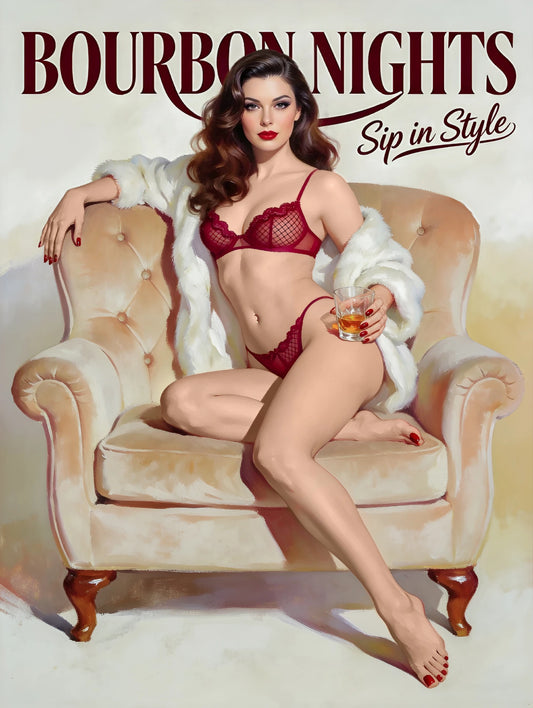
Glam/Luxury Style — Maximalist opulence, furs, jewels. Our glam pin up portrait.
Beach/Summer Style — Sun-kissed, carefree, oceanic. Our beach pin up portrait.
🌟 Why Pin Up Art Endures
Pin up art has survived every cultural shift, every fashion revolution, and every prediction of its irrelevance for more than 80 years. The reasons are multiple and interconnected:
Technical mastery that ages well — The greatest pin up artists were genuinely extraordinary painters whose technical skills give their work a quality of presence that inferior art lacks.
The specific confidence it celebrates — The pin up woman is not passive or apologetic. She occupies her space completely, presents herself boldly, and makes no gesture toward diminishment. This quality of confident self-presentation resonates across generations because the need for it is eternal.
The warmth it communicates — Great pin up art feels warm and human. It was made with genuine affection for its subjects, and that affection is visible and felt by viewers across time.
The cultural richness it carries — Pin up art is saturated with history, with the specific concerns and aesthetics of its era, with the personal stories of remarkable artists and remarkable women. This cultural depth rewards sustained engagement in ways that purely decorative art rarely does.
Its adaptability — Each new generation discovers pin up art and makes it their own. The tradition absorbs new influences, new aesthetics, and new cultural concerns while maintaining its essential character.
🖼️ How to Own Pin Up Art Today
Ready-Made Prints 🖼️
Browse our Pinup Girl Prints collection and 1950s Pinup Girls collection for beautiful ready-to-display vintage-inspired prints.
Custom Portraits 🎨
Commission a hand-painted portrait of yourself or someone you love in the pin up tradition. Our full range at Pinup Art Studio covers every style — from the classic pin up portrait to the pinup queen portrait to the bombshell pin up portrait.
Canvas and Framed Options 🖼️
Display your portrait beautifully with our vintage pin up canvas and vintage pin up framed canvas.
Merchandise ☕
Bring pin up glamour into daily life with our retro pin up mug, retro pin up wine tumbler, and vintage pin up t-shirt.
❓ Frequently Asked Questions
Q: Is pin up art considered fine art or commercial art? This distinction has genuinely blurred. Original works by Vargas and Elvgren sell at major auction houses for significant sums and are held in museum collections. Academically, pin up art is increasingly recognized as a significant chapter in American illustration history — which itself is increasingly recognized as a legitimate fine art tradition.
Q: Who are the most important pin up artists to know? Alberto Vargas, Gil Elvgren, Rolf Armstrong, and George Petty are the foundational figures. Among contemporary artists, those working in our tradition at Pinup Art Studio continue this legacy.
Q: Is pin up art appropriate for display in a family home? Classic pin up art is glamorous rather than explicit — the tradition at its best is playful and confident rather than sexually graphic. Our portraits at Pinup Art Studio are always created with this spirit in mind — beautiful display pieces suitable for any home.
Q: How do I commission my own pin up art portrait? Visit our custom pin up art portrait page, choose your style, upload your reference photo, and add detailed style notes. Our artists handle the rest.
Q: What makes Pinup Art Studio different from other portrait services? We specialize exclusively in the vintage pin up tradition — our artists are genuine students of the form, familiar with its history, its masters, and its specific visual vocabulary. This specialization means every portrait we create is authentically connected to the tradition rather than a generic approximation of it.
🚀 Join the Most Enduring Art Tradition of the 20th Century
Pin up art has been captivating audiences for over 80 years and will continue captivating them for decades more. It is not nostalgia — it is a living tradition that speaks to something permanent in human experience: the desire to see beauty celebrated boldly, warmly, and with genuine artistic skill.
👉 Explore the full Pinup Art Studio collection today and find your place in this extraordinary tradition.
🎨 80 years of bold beauty. Your portrait is the next chapter. ✨