In December 1941, the United States entered the most catastrophic conflict in human history. Within months, millions of young Americans — most of them barely adults, most of them having never traveled more than a few hundred miles from home — were being shipped to places they'd never heard of, to fight against enemies they'd never imagined, in conditions of terror and privation that no training could fully prepare them for.
What they carried with them, many of these young men, were pieces of paper. Photographs and illustrations of beautiful women — clipped from Esquire magazine, cut from calendars, reproduced in special military distribution runs. The Varga Girl. Betty Grable's white swimsuit. The illustration of a soft-eyed, luminous figure that had been on the wall of a barbershop back home.
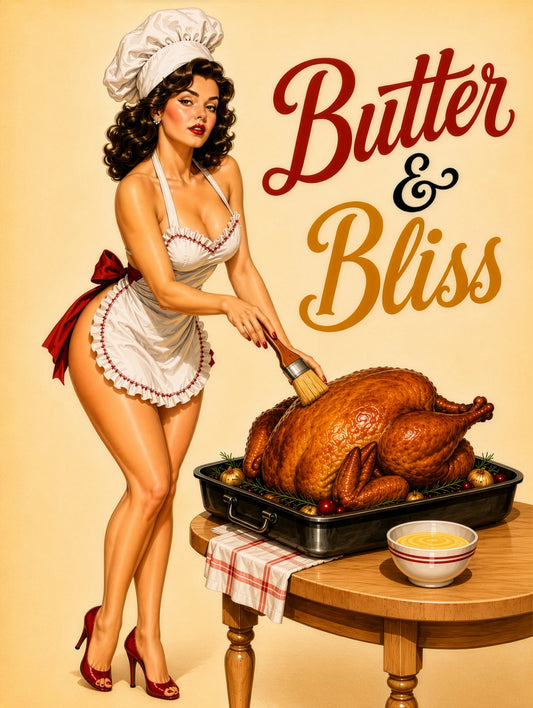
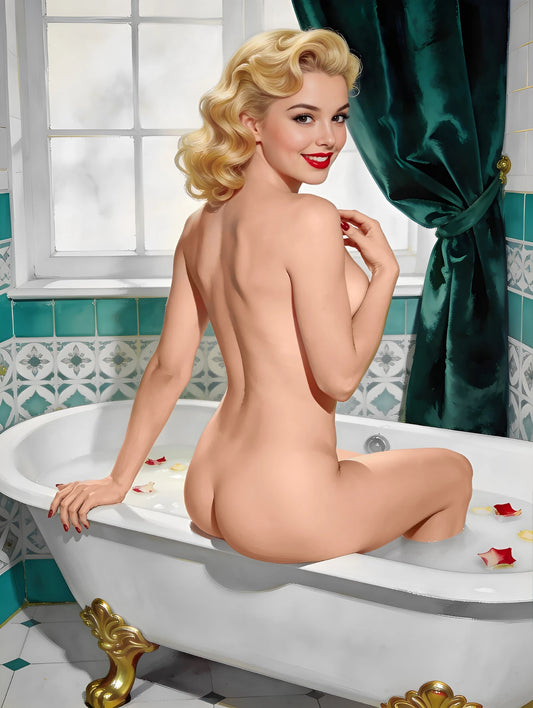
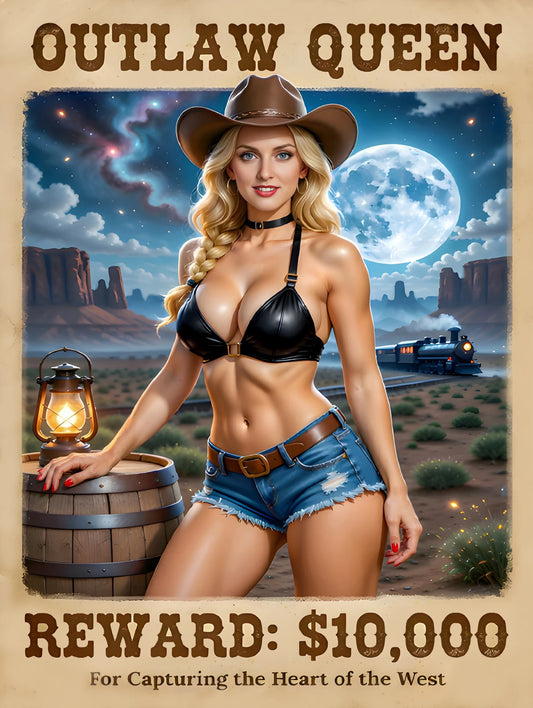
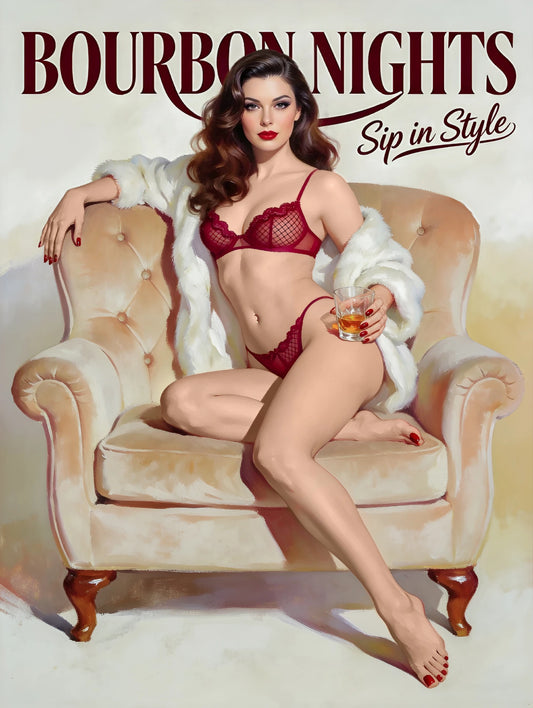
World War Two pin up art performed a specific and important function in the most extreme circumstances. It was not frivolity — it was a lifeline to the world these men were fighting to return to. The specific warmth and beauty of a great pin up image communicated something that official morale materials could not: that the world beyond the war was real, was warm, was worth surviving for.
At Pinup Art Studio, we honor this extraordinary tradition through our WWII pin up portrait — a hand-painted tribute to the most emotionally powerful chapter in the history of pin up art.
📜 WWII and Pin Up Art: The Complete Story
The Scale of Need 🌍
To understand why WWII pin up art matters, you need to understand the scale of what was happening. More than 16 million Americans served in uniform during WWII. Most of them were separated from home, family, and everything familiar for years at a time — living in conditions that ranged from miserable to genuinely terrifying.
The psychological need for connection to the world they had left — for something warm, beautiful, and specifically human — was enormous and real. Pin up art met this need in a way that nothing else could.
The Artists: Vargas and Elvgren at Their Peak ✨
The timing of WWII aligned almost perfectly with the peak careers of the two greatest pin up artists in American history. Alberto Vargas had just joined Esquire in 1940. Gil Elvgren was producing his finest calendar work through the early 1940s.
Both men created work of extraordinary quality during the war years — work shaped, consciously or not, by the specific emotional needs of the military audience that had become their primary consumer. The Vargas Girls of the wartime Esquire have a specific quality — soft, warm, luminous — that speaks directly to homesick longing in a way that more theatrical or more aggressive glamour doesn't.
The Official Involvement 🎖️
The US military's involvement in pin up culture during WWII went beyond passive tolerance. Special print runs of popular pin up images were produced for military distribution. The USO actively recruited celebrity pin up figures for tours. Official military publications featured pin up art as a morale tool.
This official endorsement created a feedback loop: pin up art was good for morale, so the military supported it; military support legitimized and amplified pin up art's cultural role.
Nose Art: The Folk Art Explosion ✈️
The most spectacular and most genuinely creative expression of WWII military pin up culture was nose art — the custom painted decorations applied by crews to their aircraft.
Thousands of WWII aircraft were painted with pin up figures — sometimes skillful, sometimes crude, but always personal and always expressive. Each nose art figure was a declaration: this crew, this plane, this mission — these things matter and have identity.
The subjects ranged from direct copies of Vargas and Elvgren illustrations to original compositions to portraits of specific women (wives, sweethearts, mothers). The styles ranged from accomplished professional-quality painting to earnest amateur work. All of it mattered.
Famous examples include the Memphis Belle (B-17, England), Sentimental Journey (B-17, Pacific), and hundreds of others whose visual records survive in archives and museums.
💪 The Women of WWII Pin Up Art
The Models and Celebrities 🌟
The famous pin up women of WWII — Betty Grable, Rita Hayworth, Veronica Lake, Jane Russell — were active participants in the war effort rather than passive subjects of it.
They posed for special military distribution photographs. They performed at USO shows, traveling to military bases worldwide to bring entertainment and warmth to servicemen. They corresponded with fans who wrote from overseas. They understood their cultural role and embraced it.
This active participation distinguishes them from simple celebrity pin up figures — they were performing a specific and valued service, and they knew it.
The WWII Nurses 💉
The women who served as military nurses during WWII were extraordinary in ways that went far beyond their professional duties. They served in combat zones, worked under fire, and demonstrated a combination of professional competence and personal courage that was genuinely heroic.
The nurse pin up figure — combining medical authority with feminine warmth and the specific courage of someone who chose to serve in the most dangerous conditions — is one of the most powerful archetypes in the entire military pin up tradition.
Our nurse pin up portrait honors this extraordinary tradition.
🖌️ Commissioning a WWII Pin Up Portrait
Our WWII pin up portrait is the most historically specific military portrait in our range — specifically calibrated to capture the visual and emotional vocabulary of WWII-era military pin up art.
Portrait options in the WWII tradition:
- WWII Pin Up Portrait — The authentic 1940s wartime aesthetic 🌟
- Army Pin Up Portrait — Army/ground forces heritage 🎖️
- Sailor Pin Up Portrait — Naval tradition ⚓
- Nurse Pin Up Portrait — Medical corps heritage 💉
- Vargas-Style Portrait — The luminous aesthetic that wartime servicemen carried in their wallets ✨
❓ Frequently Asked Questions
Q: Can I commission a WWII portrait as a memorial tribute to a veteran who has passed? Yes — memorial commissions are among the most meaningful work we do. Submit the best available photographs of the person. Contact Pinup Art Studio for details.
Q: Can the portrait be styled as nose art? Yes — specify "nose art style" in your order notes at Pinup Art Studio.
Q: What portrait style is most authentically WWII? The WWII pin up portrait specifically references the 1940s wartime aesthetic. The Vargas-style portrait captures the specific Esquire Varga Girl aesthetic that was most widely distributed in military contexts.
🚀 Honor the Legacy
World War Two pin up art carried millions of Americans through the darkest chapter of the 20th century. That legacy deserves to be honored — with beautiful art, with genuine understanding of what it meant, and with the specific tribute of continuing the tradition it represents.
👉 Commission your WWII pin up tribute portrait at Pinup Art Studio today and honor a legacy that deserves permanent, beautiful recognition.
✈️ They served. They survived. They carried beauty with them into the darkness. This is their tribute. 🌹