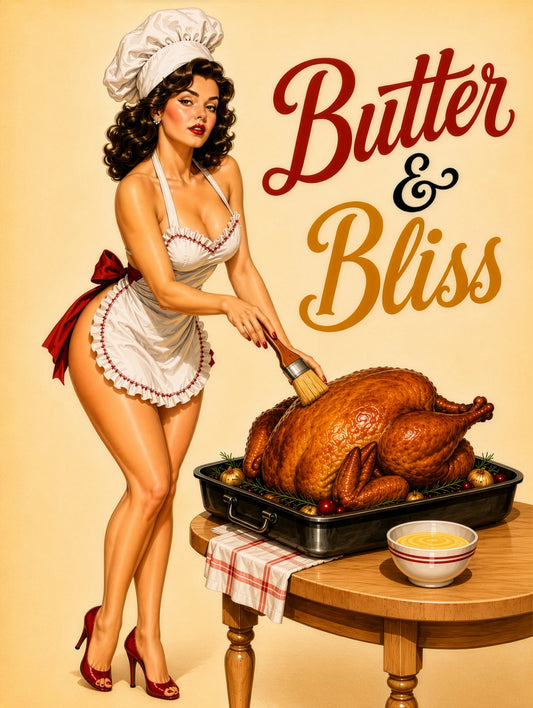
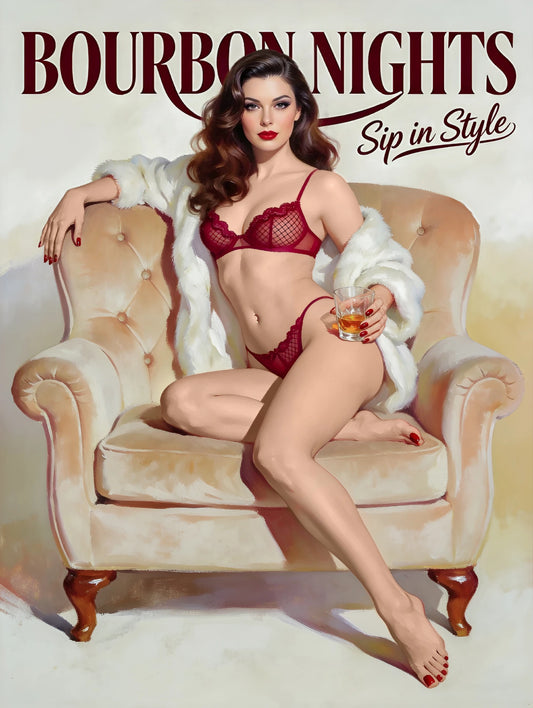
The story of World War 2 pin up art is not simply an art history story. It is a human story — about millions of young people separated from everything they loved, carrying small pieces of beauty with them into the worst circumstances of their lives, and finding in those images something that kept them connected to the world they were fighting to protect.
World War 2 pin up art encompasses everything from the luminous Varga Girls of Esquire to the hand-painted nose art on B-17 bombers over Germany to the official military pin up photography of Betty Grable that was distributed in millions of copies to servicemen across every theater of war. It is simultaneously fine art, folk art, commercial art, and deeply personal art — a uniquely American phenomenon that has no precise equivalent in any other culture or any other conflict.
At Pinup Art Studio, we honor this extraordinary heritage through our WWII pin up portrait and our broader range of military pin up portraits. This complete heritage guide explores every dimension of the World War 2 pin up tradition — its origins, its expressions, its legendary figures, and its living legacy.
📜 The Complete Heritage of World War 2 Pin Up Art
How Pin Up Art Reached the Military 🌍
The distribution of pin up art to American servicemen during WWII happened through several overlapping channels:
Official military distribution — The US military recognized pin up art's morale value and facilitated its distribution. Special print runs of popular images were produced specifically for military audiences. Esquire magazine was approved for military distribution and given postal rate subsidies specifically because of its Varga Girl content.
Personal acquisition — Servicemen collected pin up images personally — clipping them from magazines, receiving them in letters from home, purchasing them from USO stores and post exchanges.
Letter campaigns — Pin up models and celebrities received and responded to thousands of letters from servicemen, often including signed photographs that became personal talismans.
USO shows — Celebrity pin up figures including Betty Grable, Marlene Dietrich, and Bob Hope's famous touring companions brought the pin up aesthetic to life in person — performing for military audiences worldwide.
The Psychological Function 💛
Military psychologists and chaplains consistently reported that pin up art served specific and important psychological functions for servicemen:
Connection to home — In environments completely stripped of everything familiar, a pin up image of a warm, beautiful American woman provided a tangible, visual connection to the world left behind.
Hope and motivation — The pinup image represented what there was to return to — beauty, warmth, the peacetime world. It made survival feel worthwhile in a way that abstract patriotism sometimes couldn't.
Humanity preservation — In circumstances that threatened to reduce individuals to units, pin up art maintained a connection to specifically human pleasures and specifically human beauty that helped prevent psychological dehumanization.
Community and shared experience — Pinup images were discussed, traded, and displayed communally. The shared appreciation of a Varga Girl or a Betty Grable photograph created social bonds and shared cultural experience in environments where both were scarce.
✈️ Nose Art: The Folk Art of World War 2 Pin Up
What Was Nose Art?
Aircraft nose art was the custom painted decoration applied by military aircraft crews to the noses and fuselages of their planes — usually on the left side of the nose below the cockpit. The practice had roots in WWI but reached its full flowering in WWII, when American aircrews embraced it as a form of collective and individual self-expression.
Why Nose Art Mattered ✈️
The specific significance of WWII nose art for understanding the pin up tradition:
It was handmade — Unlike the commercial Varga Girls of Esquire or the professionally photographed Betty Grable, nose art was created by actual servicemen — sometimes skilled artists, sometimes enthusiastic amateurs — in actual combat conditions. This handmade quality gives it a folk art authenticity that distinguishes it from all other WWII pin up expression.
It was personal — Nose art frequently referenced specific women — wives, girlfriends, sisters, mothers — or specific pinup images that had personal meaning to the crew. It was not generic decoration but specific, personal, emotionally invested imagery.
It was brave — Painting elaborate nose art on a bomber was an act of defiance against the impersonality and anonymity of industrial warfare. It said: this machine has a name. This crew has an identity. We are not interchangeable.
Famous WWII Nose Art Examples ✈️
Memphis Belle — The most famous WWII bomber in American history, partly because of the bright pin up figure painted on its nose. The Memphis Belle and her crew completed 25 combat missions over Europe — at a time when the statistical life expectancy was much shorter. Her pin up nose art became a symbol of survival and luck.
Sentimental Journey — A surviving B-17 whose nose art has been carefully preserved. The Sentimental Journey is now a flying museum that regularly appears at airshows.
The Vargas/Elvgren-inspired figures — Many nose art figures were direct copies or adaptations of Varga Girls or Elvgren calendar illustrations — the servicemen painting their aircraft using the same images they carried in their wallets or pinned to their barracks walls.
🌟 The Women of World War 2 Pin Up Art
Betty Grable: The Most Distributed Image in History 💛
We have covered Grable's story in our dedicated guide, but her WWII significance deserves specific emphasis. The 1943 Powolny photograph — white swimsuit, over-the-shoulder smile — was printed in an estimated 5 million copies specifically for military distribution. No single pin up image has ever been more widely distributed.
What made it work for the wartime context: The specific warmth and accessibility of Grable's image. She looked like someone you could know. Her beauty was not intimidating or untouchable — it was warm, genuine, and specifically American in a way that resonated with the specifically American soldiers carrying her photograph.
Rita Hayworth: The Love Goddess 🔥
Rita Hayworth's famous photograph — silk-sheeted, kneeling, in a white negligée — was one of the most requested pin up images of the war years. The photograph was taken by Bob Landry for Life magazine in 1941 and was reproduced in millions of copies for military distribution.
Hayworth's pin up significance was complicated by a disturbing footnote: a reproduction of her image was reportedly attached to the first atomic bomb test at Bikini Atoll in 1946 — without her knowledge or consent. She was reportedly horrified.
Veronica Lake: The Peek-a-Boo Girl 💛
Lake's signature peek-a-boo hairstyle — waves falling over one eye — became so popular with women working in wartime factories that the War Production Board requested she change it because the hairstyle was getting caught in machinery. She filmed a public service announcement demonstrating safer hairstyles.
This detail illustrates how thoroughly WWII pin up culture permeated every dimension of American life.
The Military Nurses: The Real Heroes 💉
The women who served as military nurses during WWII occupy a specific and important place in the World War 2 pin up tradition. Not as decorative subjects but as genuine participants in the war effort — working in combat conditions, facing genuine danger, and demonstrating a combination of professional excellence and personal courage that was widely recognized and celebrated.
Military recruitment posters and morale materials frequently depicted nurses in glamorous, confident poses — simultaneously honoring their service and recruiting more women into the nursing corps. The nurse pin up figure is one of the most emotionally powerful archetypes in the WWII tradition.
Our nurse pin up portrait honors this extraordinary tradition.
🎨 The Art Quality of World War 2 Pin Up
The Varga Girls at Their Wartime Peak ✨
The Esquire Varga Girls published during the war years — 1940–1946 — represent Vargas at a specific technical and emotional peak. The specific quality of the wartime work: a gentleness, a warmth, a quality of luminous accessibility that is slightly different from both his pre-war and post-war work.
Whether Vargas consciously calibrated his wartime Varga Girls for their military audience is debated — but the effect is real. These figures communicate something specifically hopeful and specifically warm that serves the wartime context with extraordinary precision.
Our Vargas-style pin up portrait draws from this extraordinary tradition.
Elvgren's Wartime Calendar Work 🌹
Elvgren's calendar illustrations of the early-to-mid 1940s have a specific quality that reflects the wartime context — a heightened warmth, a more explicitly domestic focus, a specific quality of celebrating everyday American life that was simultaneously beautiful and specifically meaningful to servicemen far from home.
Browse our 1950s Pinup Girls collection to see the visual tradition that Elvgren's wartime work established.
🖌️ Commissioning Your World War 2 Pin Up Heritage Portrait
At Pinup Art Studio, our World War 2 pin up heritage portraits are among our most emotionally resonant and most carefully crafted commissions:
WWII Pin Up Portrait — The authentic 1940s wartime aesthetic. Period-appropriate styling, wartime energy, and the specific emotional resonance of America's most significant conflict.
Army Pin Up Portrait — Army and ground forces heritage honored in vintage glamour.
Sailor Pin Up Portrait — Naval tradition with the full maritime heritage of WWII service. ⚓
Nurse Pin Up Portrait — For the healthcare heroes whose courage matched any combat veteran's. 💉
Vargas-Style Portrait — In the luminous tradition that wartime servicemen carried in their wallets across every theater of war.
🎁 World War 2 Pin Up Heritage Portraits as Gifts
These portraits make extraordinary gifts for:
- 🎖️ WWII veterans and their families — honoring service in the visual tradition of those who served
- 🌸 Memorial tributes — preserving the legacy of veterans who have passed
- 🏛️ Military history enthusiasts — the most personal engagement with a significant chapter of American history
- 💍 Military families — connecting current service to the honored heritage of previous generations
- 🎄 Veterans Day and Memorial Day — the most appropriate and most meaningful tribute for these specific occasions
Display with our vintage pin up framed canvas for gallery-quality presentation worthy of the heritage being honored.
❓ Frequently Asked Questions
Q: Can I commission a portrait that specifically references WWII nose art style? Yes — specify "nose art style" in your order notes at Pinup Art Studio. Our artists will create a bold, graphic composition in the authentic nose art tradition.
Q: Can I commission a memorial portrait of a deceased WWII veteran? Absolutely — this is some of our most meaningful work. Submit the best available photographs and any historical materials you have. Contact Pinup Art Studio for details.
Q: What portrait style is most authentic to the WWII era specifically? The WWII pin up portrait is specifically calibrated to the 1940s wartime aesthetic. The Vargas-style portrait captures the specific Esquire Varga Girl quality that was most widely carried in military contexts.
Q: How do I incorporate specific military insignia into a WWII portrait? Specify the branch, unit, and any specific insignia in your order notes. Include reference photographs of any insignia or uniform elements you want incorporated.
🚀 Honor the Heritage That Made America
World War 2 pin up art is not just decoration or nostalgia — it is a living connection to one of the most significant and most human chapters in American history. The images that carried millions of servicemen through the darkness of the war years deserve to be honored and understood.
👉 Commission your World War 2 pin up heritage portrait at Pinup Art Studio today — and carry this extraordinary legacy forward.
✈️ The Varga Girls. The nose art. The nurses. The courage and the beauty that faced the darkness together. This is their heritage — and yours. 🌹