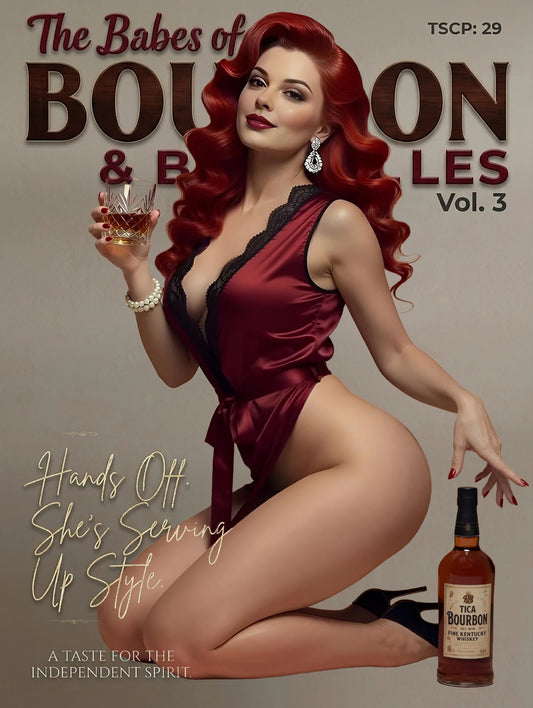
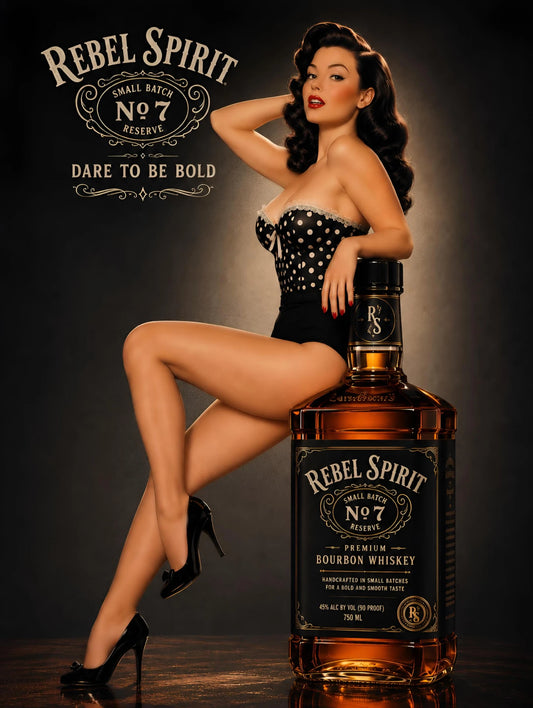
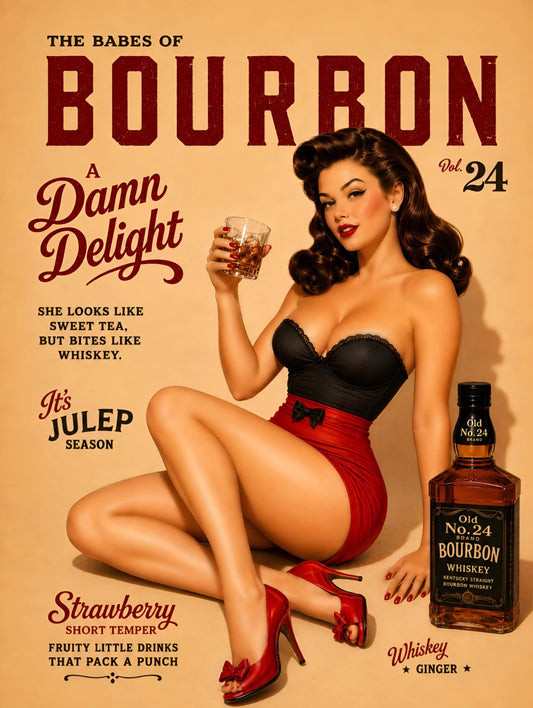
Ask anyone to visualize pin up art and they will almost certainly describe something from the 1950s — the specific warm colors of the Elvgren calendar tradition, the luminous refinement of the Vargas Playboy illustrations, the bold polka-dot dresses and victory rolls and cherry-red lips that have become shorthand for mid-century American glamour.
This is not accidental. The 1950s were genuinely, specifically, demonstrably the golden era of pin up art — the decade when the tradition reached its fullest technical accomplishment, its widest cultural distribution, and its most complete visual realization.
Understanding what made 1950s pin up art so extraordinary — and why it continues to captivate new audiences 70+ years after its creation — requires looking at every dimension of the tradition simultaneously: the artists who created it, the cultural context that shaped it, the specific visual qualities that make it so enduring, and the living practice that continues it today at Pinup Art Studio.
This is that comprehensive examination. 🌹
🏛️ Why the 1950s Were the Golden Era
The Perfect Convergence 🌟
The 1950s produced extraordinary pin up art because of a specific, unrepeatable convergence of factors:
Artistic talent at peak — Gil Elvgren was producing his finest calendar work. Alberto Vargas's Playboy period began. Rolf Armstrong continued his distinctive pastel work. Fritz Willis, Earl Moran, and dozens of skilled illustrators contributed to a visual ecosystem of extraordinary quality.
Commercial infrastructure at maximum — Brown & Bigelow and other calendar companies were producing millions of calendars annually. Esquire and the newly launched Playboy provided prestigious national magazine venues. The commercial art infrastructure that funded and distributed pin up illustration was at its broadest and most generous.
Cultural acceptance at its widest — The post-WWII prosperity created a specific cultural openness to celebration, abundance, and the unashamed appreciation of beauty that perfectly suited the pin up tradition.
Printing technology at its best — Offset color printing reached a quality level in the 1950s that allowed the warm, saturated palette of pin up illustration to be reproduced with unprecedented fidelity. The prints looked like the paintings in ways earlier technology hadn't allowed.
Audience at its most receptive — Millions of American men who had encountered pin up art during military service continued to appreciate and consume it as civilians. The wartime audience that had made Betty Grable and the Varga Girls into cultural institutions continued supporting the form through the 1950s.
🖌️ The Master Artists of 1950s Pin Up Art
Gil Elvgren (1914–1980): The Warmth Master 🌹
Elvgren's 1950s calendar work represents the absolute peak of warm, narrative-rich American pin up illustration. This decade produced his finest paintings — the color most richly warm, the narratives most charming, the human quality most fully realized.
What makes Elvgren's 1950s work distinctive:
The specific warmth radiating from his figures — women who appear genuinely happy, genuinely warm, genuinely human in ways that purely idealized figures can't achieve. The specific quality of his oil paint application — the specific richness of color and dimension that his layered oil technique produces. The narrative complexity — figures caught in situations that tell whole stories in a single image.
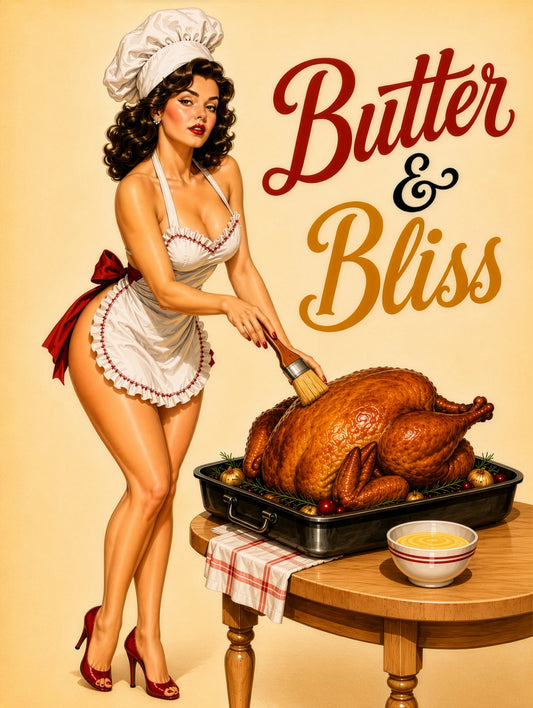
Our classic pin up portrait draws directly from the Elvgren 1950s tradition — warm, human, and deeply celebratory.
Alberto Vargas (1896–1982): The Luminous Master ✨
Vargas's 1950s work appeared primarily in Playboy — the magazine launched in 1953 and gave him the platform and the production quality his work deserved.
What makes Vargas's 1950s/60s work distinctive:
The specific luminosity achieved through decades of airbrushed technique refinement — skin that appears lit from within, figures of almost supernatural elegance and grace. The minimal backgrounds that give his figures a timeless, placeless quality. The specific warmth beneath the technical refinement — these are not cold or mechanical figures but genuinely warm, accessible personalities rendered with extraordinary skill.
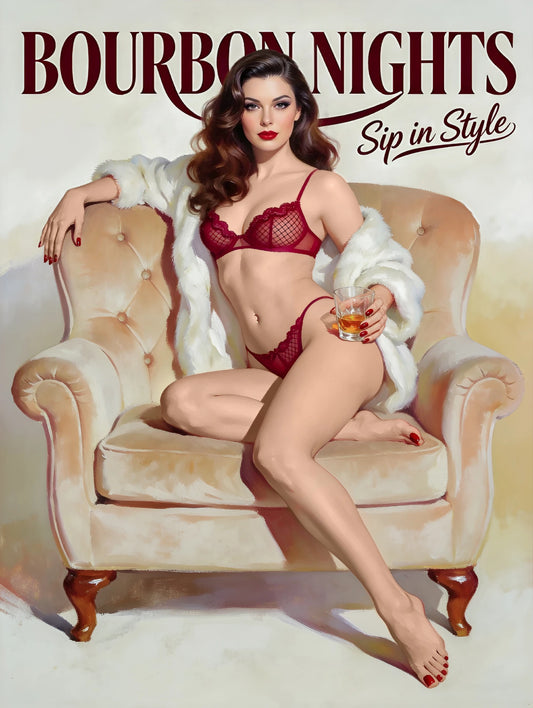
Our Vargas-style pin up portrait honors this luminous tradition.
The Supporting Artists 🌟
Beyond Elvgren and Vargas, the 1950s calendar and magazine world featured numerous skilled artists whose contributions define the era:
Fritz Willis — Known for his vibrant color and his specific approach to feminine beauty that slightly bridges the gap between Elvgren's warmth and Vargas's refinement.
Earl Moran — Produced calendar work of consistent quality through the 1950s, with a specific softness of modeling that creates particularly warm skin quality.
Joyce Ballantyne — One of the few female pin up artists of the era, creating work notable for its specific quality of confident, comfortable feminine self-presentation.
🎨 The Visual Language of 1950s Pin Up Art
Color: The Palette of Prosperity 🌈
The 1950s pin up palette communicates the specific emotional atmosphere of the era — the post-war prosperity optimism, the specific American confidence of a nation at its economic and cultural peak.
Cherry red — The decade's dominant accent color. In lips, in clothing, in roses, in background details. Red in 1950s pin up communicates a specific quality of warm American vitality that no other color achieves.
Powder blue — The cool complement. The specific clean blue of 1950s American skies and well-kept kitchens — fresh, optimistic, and specifically mid-century.
Sunshine yellow — Joy and warmth and the specific mid-century belief that life was getting better and would continue to get better.
Warm flesh tones — Not cool or fashionably pale but warm, peachy, golden — communicating health, vitality, and a specific quality of being genuinely alive.
Composition: The Narrative Approach 📖
The most distinctive compositional quality of 1950s pin up art — particularly in the Elvgren tradition — is the commitment to narrative. Every great 1950s pin up image tells a story.
This narrative quality distinguishes the 1950s golden age from pin up art before and after it. Pre-1950s pin up often had a more static, posed quality. Post-1950s pin up often moved toward a more abstract or more explicitly sexual visual vocabulary. The 1950s golden age produced images in which beautiful women were doing things — caught in moments of charming activity or charming predicament — and this narrative richness is a significant source of their enduring appeal.
The Female Figure: Confident and Human 💪
The 1950s pin up figure is neither the unattainable goddess of earlier glamour traditions nor the airbrushed-to-near-abstraction ideal of later consumer media. She is specifically, deliberately, warmly human.
Elvgren achieved this by working with models who were genuinely charming rather than conventionally perfect — choosing warmth of personality over conventional beauty when the two were in tension. Vargas achieved it through a specific quality of eye engagement — his figures look at the viewer with genuine warmth that prevents their technical perfection from feeling cold.
This human quality is what our artists at Pinup Art Studio work hardest to achieve — because it is what makes the difference between a beautiful image and a genuinely moving one.
📸 The Photography Dimension of 1950s Pin Up Art
Hollywood Studio Photography 🎬
The 1950s Hollywood studio photography tradition produced some of the finest pin up photographs ever made. The specific technical approach — warm lighting, careful posing, the specific interplay of light and shadow that the great Hollywood portrait photographers mastered — created images of extraordinary beauty.
Marilyn Monroe's studio photographs from the early 1950s are the peak examples — technically perfect, luminously beautiful, and carrying the specific quality of genuine personality that made Monroe's pin up significance so enduring.
Playboy Photography 📰
The Playboy photography of the 1950s represented a new standard for pin up photography — combining the quality of Hollywood studio work with the intimate, accessible quality that the magazine's editorial approach demanded.
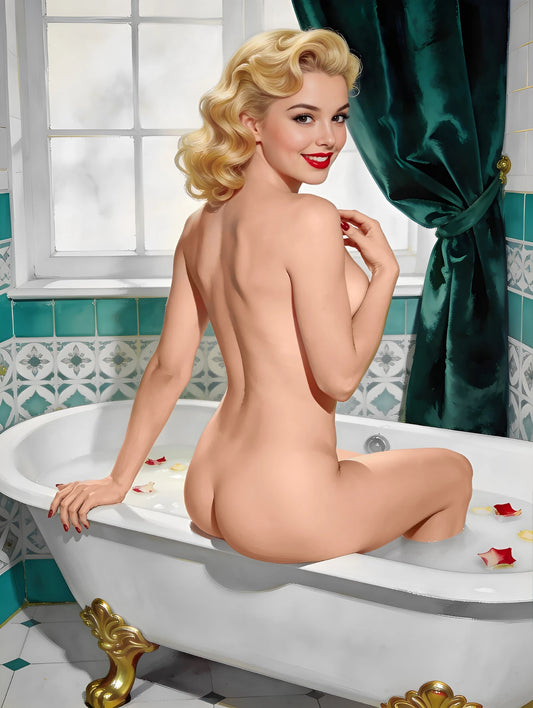
Our Hollywood pin up portrait draws from this dual tradition of formal studio glamour and accessible personal warmth.
🌟 The Living Legacy of 1950s Pin Up Art
The 1950s pin up art tradition lives today through:
Our portrait work at Pinup Art Studio — Every portrait we create draws from the lessons the golden age taught about warmth, technical quality, and the specific art of celebrating specific people in the pin up tradition.
The collector market — Original 1950s calendar art and Playboy illustrations are actively collected, with values rising consistently as their historical and artistic significance becomes more widely recognized.
The contemporary pin up community — Rockabilly culture, vintage fashion communities, and pin up competitions worldwide keep the aesthetic alive and developing.
Our 1950s Pinup Girls collection — Beautifully produced contemporary work in the authentic 1950s tradition.
❓ Frequently Asked Questions
Q: What are the most collectible original 1950s pin up art pieces? Original oil paintings by Gil Elvgren are the most consistently valuable — typically selling for $50,000–$300,000+ at major auction houses. Original Vargas Playboy illustrations command similar prices for the finest examples.
Q: How can I tell genuine 1950s pin up art from later reproductions? Genuine 1950s calendar art typically appears as printed calendar pages (not photographic reproductions) with specific printing characteristics. Original paintings can be authenticated through provenance documentation and specialist assessment.
Q: What makes 1950s pin up art more valuable than later periods? The specific convergence of artistic talent, cultural moment, and technical quality in the 1950s — combined with the historical significance of the era — creates a combination of aesthetic and historical value that later periods don't replicate.
Q: Can I commission a portrait specifically in the 1950s golden era aesthetic? Yes — specify "1950s golden era aesthetic" in your style notes at Pinup Art Studio. Reference the Elvgren tradition for warm calendar art or the Vargas tradition for luminous Playboy-era refinement.
🚀 Own the Golden Era
The 1950s produced the finest pin up art in history. That tradition lives — not in museum storage but in living, contemporary practice at Pinup Art Studio, where every portrait we create draws from the lessons the golden age taught.
👉 Commission your 1950s golden era pin up portrait at Pinup Art Studio today — and own your piece of the most extraordinary decade in vintage art history.
🎨 The golden era. The finest art. The most enduring beauty. Your portrait. ✨