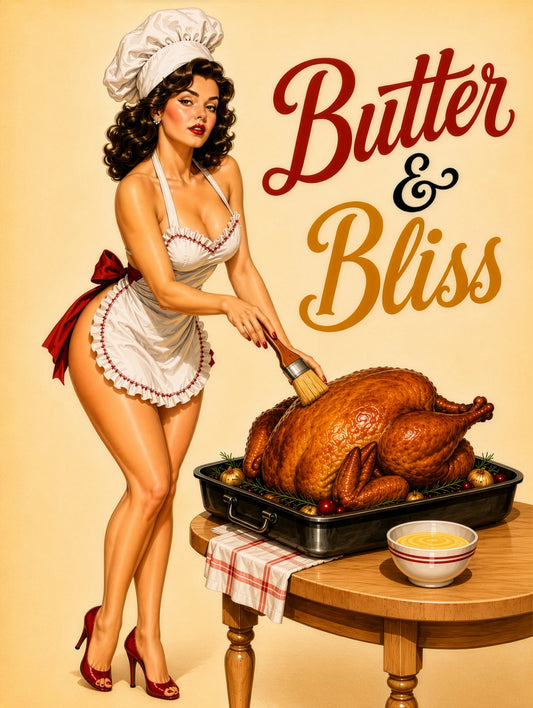
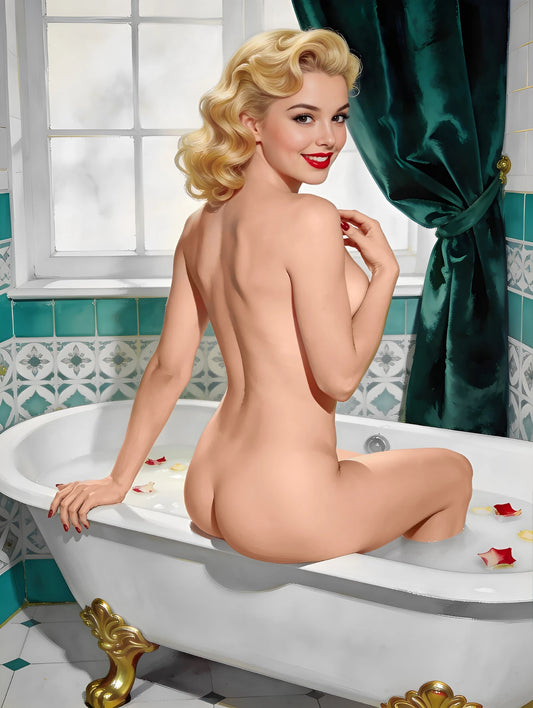
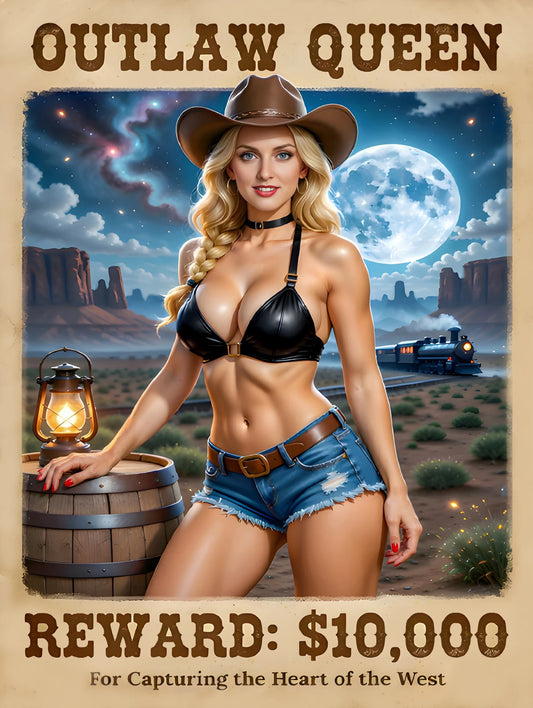
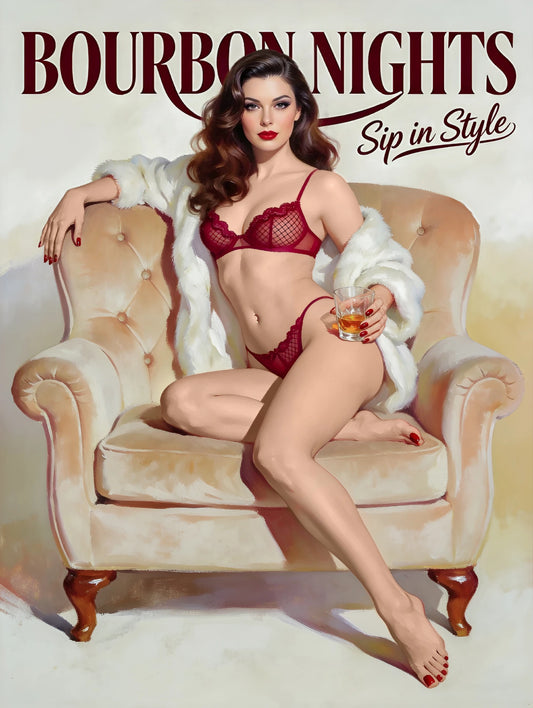
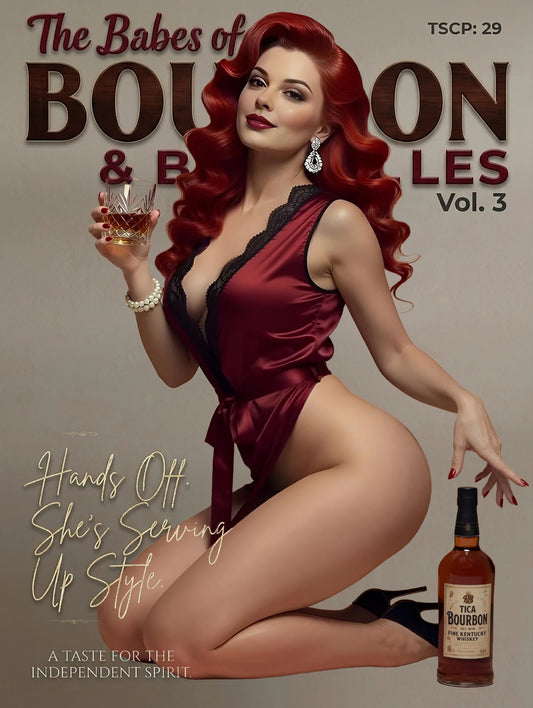
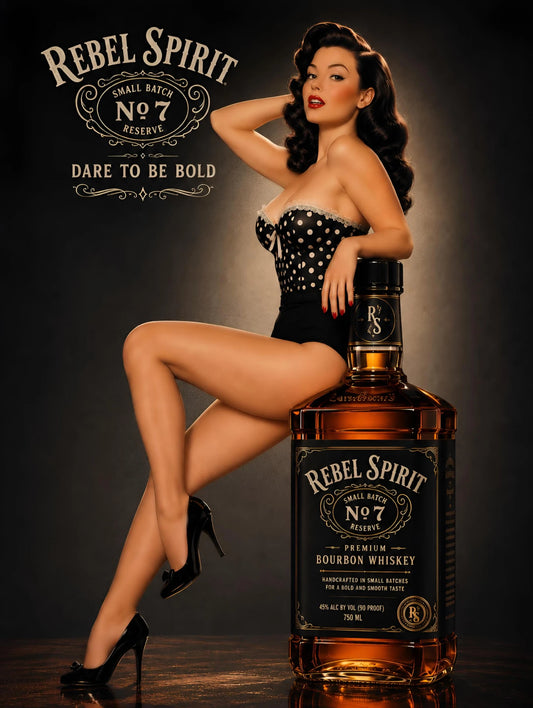
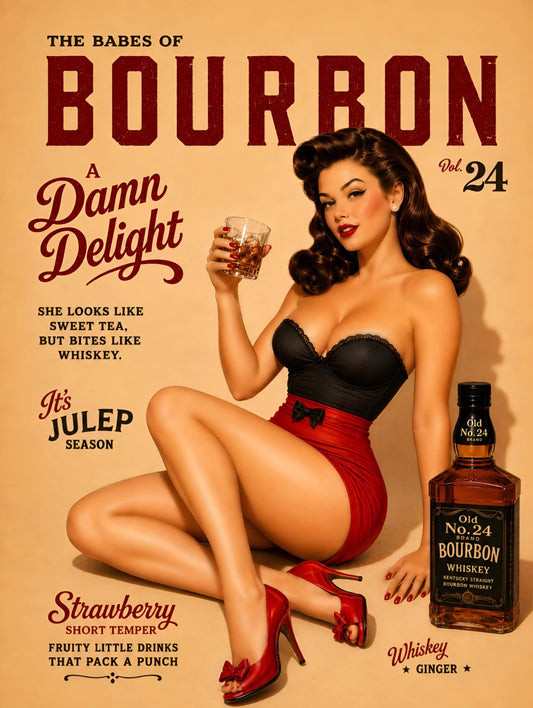
Pinup art is one of the most recognizable visual languages of the 20th century. What began as commercial illustration for magazines and calendars became a powerful cultural force — shaping ideals of beauty, lifting morale during wartime, and leaving a lasting mark on American popular culture. Today the tradition continues in a new form: personal, custom portraits that place real people inside that same glamorous visual world. ✨📜
At Pinup Art Studio we create custom pin-up portraits that honor this heritage while making it personal. Understanding the history helps explain why these images still feel so compelling. Here’s a clear look at how pinup art evolved from the early masters to the present day. 🎨
🌟 The Early Foundations
Long before the 1950s peak, artists were already defining the look. Charles Dana Gibson’s “Gibson Girls” at the turn of the century established an idealized, confident feminine image in popular illustration. Later, artists such as Rolf Armstrong brought a luminous, painterly quality to calendar art and were among the first to be widely associated with the emerging “calendar girl” style.
These early works set the stage: beautiful women presented with charm, technical skill, and broad commercial appeal. The foundation was commercial art executed at a very high level. 🖌️
👑 Alberto Vargas and the Rise of the Vargas Girl
Alberto Vargas became one of the most influential figures in the history of pinup art. His work for Esquire and later Playboy defined a specific ideal — elongated figures, flawless skin, soft lighting, and an almost airbrushed perfection that felt both glamorous and dreamlike.
The “Vargas Girl” became a cultural shorthand for a particular kind of sophisticated, idealized beauty. Vargas’s technical control and distinctive style made his images instantly recognizable and highly desirable. His influence is still felt in any portrait that aims for polished, luminous glamour.
You can explore this direction today with our Vargas Style Pin-Up Portrait.
🎨 Gil Elvgren, George Petty, and the Golden Age
While Vargas refined a sleek ideal, other artists brought different energies. Gil Elvgren became famous for warm, narrative scenes full of personality, humor, and beautifully rendered clothing and light. His oil paintings often told small stories and remain among the most beloved and collectible works in the genre.
George Petty helped popularize the magazine centerfold format and created images with strong graphic impact. His work appeared widely and even influenced popular music and design. Together with artists like Armstrong, these painters built the core visual vocabulary of golden-age pinup art — technical excellence, commercial reach, and lasting cultural presence.
✈️ WWII and the Power of Nose Art
During World War II, pinup art took on a new and powerful role. Images of glamorous women were painted on the noses of bombers, carried in wallets, and pinned above bunks across every theater of the war. These pictures served as reminders of home, beauty, and normal life amid extraordinary circumstances.
The most famous example is the nose art on the Memphis Belle, based on a George Petty image. Pin-up imagery became part of the visual culture of the American military experience. This chapter remains one of the most historically significant in the entire tradition.
Related reading and styles include our WWII Pin-Up Portrait and guides on the wartime legacy. 🇺🇸
📅 Calendars, Magazines, and Mass Culture
From the 1930s through the 1960s, pin-up imagery lived primarily in calendars, magazine illustrations, and advertising. These were some of the most widely seen images in America. They reflected and shaped contemporary ideas of beauty, fashion, and femininity while showcasing remarkable levels of artistic skill.
The best work from this period is now studied, collected, and exhibited. What was once everyday commercial art has become recognized as an important part of American visual history.
🔄 From Mid-Century Peak to Modern Revival
As illustration styles and media changed in the later 20th century, the classic pin-up look became more of a nostalgic reference than a dominant commercial form. Yet it never disappeared. Collectors, tattoo artists, fashion designers, and illustrators continued to draw on its visual language.
In recent years the tradition has found new life through custom portraiture. Instead of anonymous ideal figures, today’s custom pinup art starts with a real person’s photograph and translates it into the classic style. The result keeps the technical glamour and cultural resonance of the golden age while making the image deeply personal.
🎨 Pinup Art Today
Modern pinup portraits continue the core strengths of the tradition: strong draftsmanship, flattering light, confident presentation, and a sense of timeless style. At the same time they add something the original calendar artists rarely offered — the chance for an individual to see themselves inside that visual world.
Whether the preferred direction is classic, high glam, rockabilly, or themed, the underlying language still traces back to Vargas, Elvgren, Petty, Armstrong, and the wartime artists who carried the images into history.
You can explore the full range of contemporary interpretations in our 1950s pin-up collection or begin with a Custom Pin-Up Art Portrait.
❓ Frequently Asked Questions
Q: Who is considered the most influential pin-up artist?
Alberto Vargas and Gil Elvgren are two of the most frequently cited. Vargas for his distinctive idealized style, Elvgren for his warm, narrative paintings. Many other artists contributed significantly.
Q: Was pin-up art only American?
The most influential commercial tradition developed in the United States, though similar illustration styles appeared in other countries.
Q: How does modern custom work relate to the original art?
Today’s custom pin-up portraits use the visual language, lighting approach, and stylistic cues of the golden age while starting from a personal photograph rather than an invented figure.
Q: Where can I learn more about specific artists or periods?
Explore our related guides and the 1950s pin-up collection. Additional context appears on the about us page and FAQ page. ⏱️
🚀 A Living Tradition
The history of pinup art runs from early magazine illustration through the high craft of Vargas and Elvgren, the wartime service of nose art, the mass reach of calendar culture, and into today’s personal commissions. What has remained constant is the combination of technical skill and aspirational glamour.
When you commission a custom pin-up portrait, you are participating in that continuing story — placing a real face inside a visual tradition that has already lasted more than a century and still feels vibrant. 💖🎨✨
👉 Ready to add your own chapter? Visit Pinup Art Studio and commission your Custom Pin-Up Art Portrait today. 📜🖼️❤️