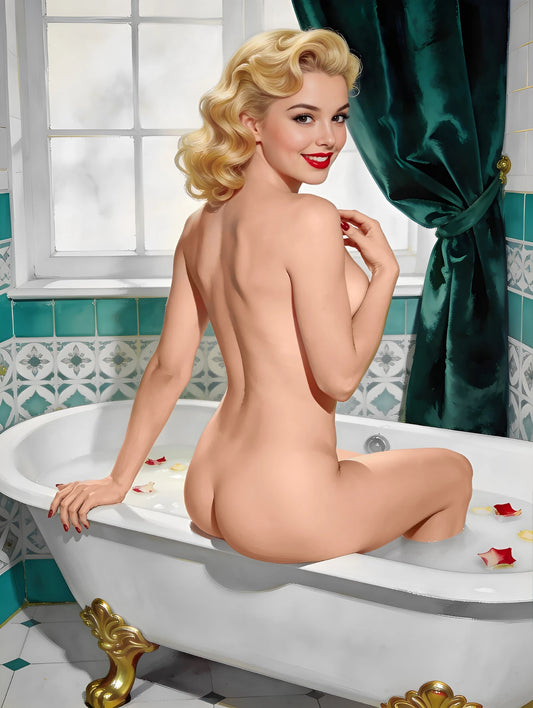
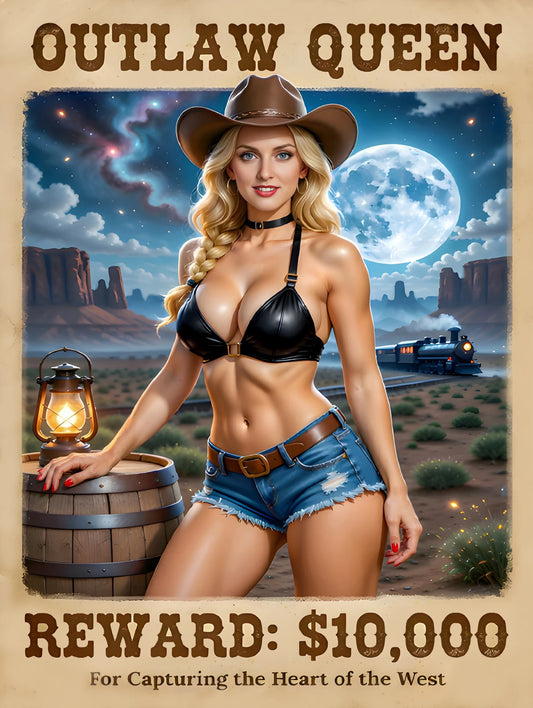
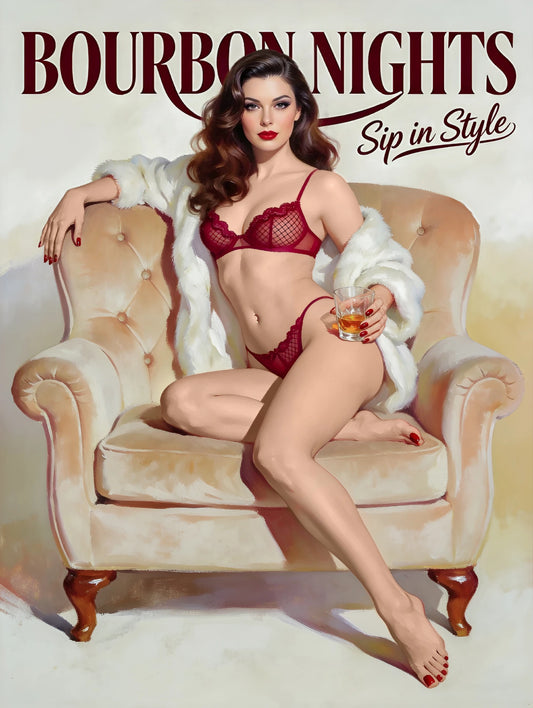
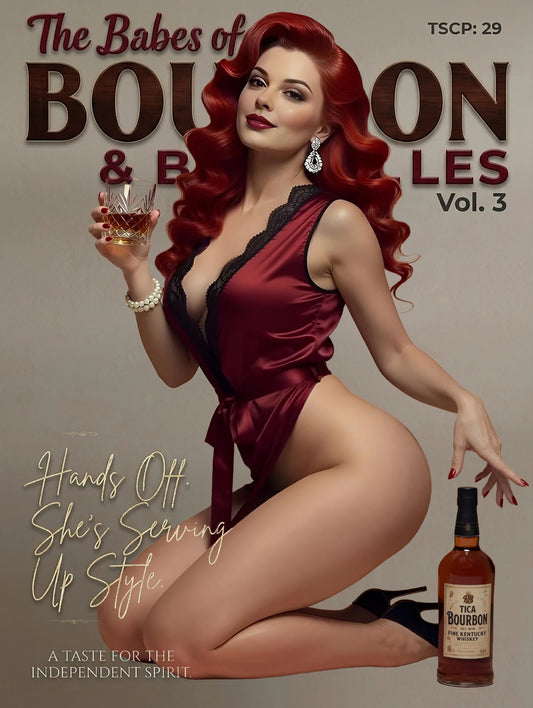
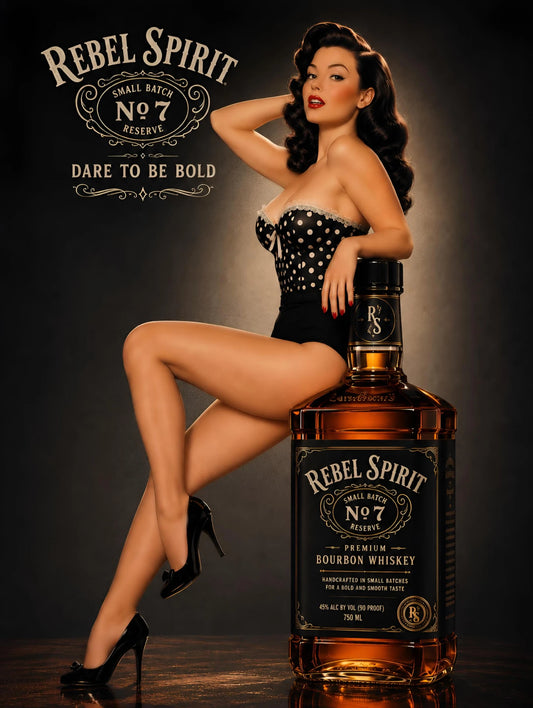
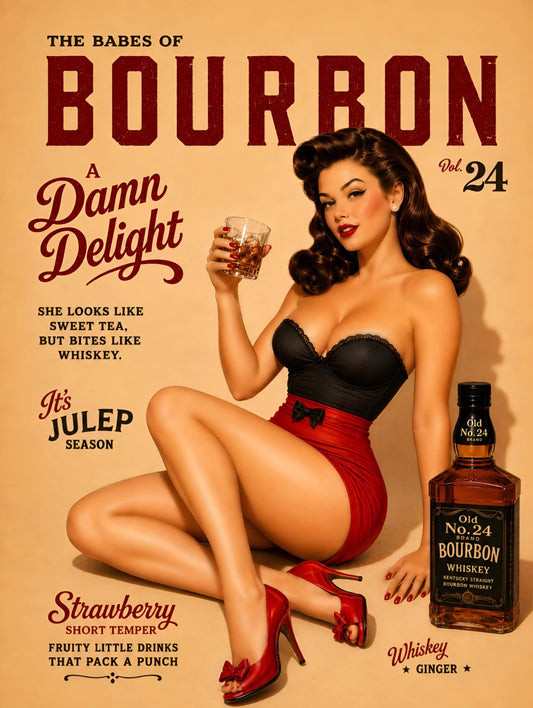
Before photography, pin up art was exclusively illustration — painted or drawn figures existing in the idealized world that skilled artists could create. When photography entered the picture, something fascinating happened: the two traditions didn't replace each other — they coexisted, influenced each other, and together created the richest possible visual vocabulary for celebrating feminine beauty and confidence.
Pin up photography is the photographic strand of this tradition — images of real women, styled and lit with extraordinary care, creating photographs that achieve the same bold confidence and glamorous impact as the finest illustrations. From the wartime studio portraits of Betty Grable to the Coney Island shots of Bettie Page to the elaborate Playboy productions of the mid-1950s, pin up photography has its own extraordinary history.
At Pinup Art Studio, we understand pin up photography deeply — because our customers bring us their photographs, and we transform them into hand-painted portraits in the authentic pin up tradition. The better the photograph, the richer the portrait. In this comprehensive guide, we explore everything about pin up photography — its history, its techniques, and its living relationship with the painted portrait tradition.
📜 The History of Pin Up Photography
The Early Days: Postcards and Theatrical Photography (1890s–1920s)
Pin up photography's earliest incarnation appeared in the late Victorian era — theatrical production photographs, chorus girl portraits, and novelty postcards featuring fashionably dressed women in poses designed for admiration. These early images, produced by studio photographers with large-format cameras and controlled artificial lighting, established the fundamental conventions of pin up photography: deliberate posing, careful lighting, and the specific quality of a woman presenting herself to an appreciating audience.
The French postcard tradition — racy by the standards of the era — pushed these conventions further, establishing the idea that photographic images of women could circulate as private collectibles rather than public displays.
The Hollywood Glamour Era (1930s–1940s)
The Hollywood studio system created the most technically sophisticated pin up photography of the pre-war era. Photographers like George Hurrell developed dramatic lighting techniques — the single strong key light, the deep shadows, the brilliant highlights on cheekbones and eyes — that created images of extraordinary beauty and power.
The studio portrait of a Hollywood star was not a candid photograph — it was a carefully constructed work of art, involving costume, makeup, lighting, and deliberate posing that required days of preparation. The results were some of the most beautiful photographs ever made.
WWII and the Pin Up Photograph as Cultural Institution (1940s)
WWII transformed pin up photography from a commercial and entertainment genre into a genuine cultural institution. The photograph of Betty Grable in a white swimsuit, distributed in millions of copies to American servicemen, demonstrated the power of a single pin up photograph to carry enormous emotional weight — to represent home, beauty, hope, and everything worth fighting for in a single, perfectly composed image.
The war-era pin up photograph needed specific qualities: warmth rather than coolness, accessibility rather than intimidating glamour, the specific quality of a woman who could be someone's sweetheart or wife rather than an untouchable screen goddess.
Irving Klaw and the Underground Tradition (1950s)
While mainstream pin up photography moved toward increasingly polished, studio-produced glamour, Irving Klaw's underground operation in New York created a parallel tradition — rougher, more theatrical, more explicitly transgressive — that would prove enormously culturally influential.
Klaw's photographs of Bettie Page are the most celebrated examples: elaborate scenarios with theatrical costumes, props, and staging that created images of a complexity and cultural richness that conventional studio glamour didn't attempt.
Playboy and the New Mainstream (1953–1960s)
When Hugh Hefner launched Playboy in December 1953, he created a new context for pin up photography — one that combined the mainstream accessibility of magazine distribution with production values and creative ambition that surpassed anything the calendar tradition had achieved.
Playboy's photography was genuinely excellent — carefully lit, thoughtfully composed, and treated as a legitimate form of artistic production. The photographers who worked for the magazine in its early decades were skilled professionals who brought real craft to the form.
📷 Pin Up Photography Techniques: What Makes Them Work
Lighting: The Most Important Element 💡
Pin up photography is defined more by its approach to lighting than by any other technical element. The specific qualities that great pin up photography lighting creates:
Directional warmth — A strong key light coming from one side, creating dimensionality and depth. The light should feel warm — like afternoon sun or candlelight — rather than the flat white of harsh studio flash.
Soft shadows — Shadows that model the face and figure without becoming harsh or unflattering. The classic Hollywood technique used a large soft light source as the key, with fill light reducing the shadow depth to a flattering ratio.
Catch lights — The small reflections of the light source visible in the eyes. These tiny bright spots are what make eyes sparkle and appear alive in photographs. Without catch lights, eyes look flat and dead.
Backlighting — A rim of light behind the subject, separating them from the background and creating a luminous outline. Common in Vargas's illustrations, it can be achieved photographically and creates extraordinary results.
Posing: The Architecture of Confidence 💪
Pin up poses are not casual — they are deliberate, architectural, and specifically designed to present the figure in its most beautiful and confident configuration:
The S-curve — The foundational pin up pose. Weight on one hip, upper body angled the opposite direction, creating a flowing S-shaped line through the body. Organic, feminine, and universally flattering.
The over-the-shoulder look — Body partially turned away, face looking back toward the camera. Creates immediate visual narrative (mid-movement), conceals nothing, and flatters everything.
The recline — On the side, propped on one elbow, body at an angle to the camera. The most intimate and luxurious pin up pose — communicating ease, confidence, and the specific quality of someone completely comfortable in their own space.
The Connection Between Photography and Painted Portraits 🖌️
At Pinup Art Studio, we work at the intersection of pin up photography and painted portraiture every day. When a customer submits a pin up-style reference photo — whether from a professional pin up photoshoot or a carefully taken home photograph — they're giving our artists the richest possible foundation for an extraordinary painted portrait.
The specific lighting of a good pin up photograph — directional, warm, creating catch lights and soft shadows — translates directly to the painted portrait. Our artists can amplify and idealize what the photograph captures, but they need something genuine to work from.
Browse our portrait range at Pinup Art Studio — from the classic pin up portrait to the Hollywood pin up portrait — to see how photography-quality reference material becomes extraordinary painted art.
🎬 Planning Your Pin Up Photo Session
Whether you're preparing for a professional photoshoot or creating your own home reference photos for a portrait commission, here's what makes pin up photography work:
Preparation ✅
- Hair styled in period-appropriate fashion (victory rolls, soft waves, or pin-curl set)
- Full pin up makeup applied before the session
- Wardrobe chosen and pressed — no wrinkles in pin up photography
- Location or background prepared
The Session 📸
- Begin with the most structured, formal poses — save the more relaxed, candid poses for later in the session when you're warmed up
- Take many more photographs than you think you need
- Review images during the session and adjust lighting or posing based on what you see
- Aim for genuine expressions — the specific warmth of pin up photography comes from genuine engagement, not performed emotion
Submitting for Your Portrait 🖌️ Submit your best photographs at Pinup Art Studio with detailed style notes about the aesthetic direction you want. Pin up photography reference photos — with their already-established vintage styling and lighting — give our artists the most complete possible foundation for creating an extraordinary painted portrait.
❓ Frequently Asked Questions
Q: Do I need to hire a professional photographer for my portrait reference photo? Not at all — many of our finest portraits are created from well-composed phone photographs. What matters most is good lighting, focus, and genuine expression. A professional pin up photographer produces the richest reference material, but a thoughtfully taken personal photo works excellently.
Q: What's the difference between pin up photography and regular boudoir photography? Pin up photography emphasizes vintage styling and the specific visual vocabulary of mid-century glamour — victory rolls, red lips, period-appropriate wardrobe. Boudoir photography is more broadly intimate, often contemporary in aesthetic. Both can serve as excellent portrait references for Pinup Art Studio.
Q: Can I use professional pin up photographs as references for a portrait? Absolutely — professional pin up photographs make ideal portrait references. Ensure you have the rights to use the images for personal portrait purposes and submit the highest resolution version available.
🚀 From Photograph to Masterpiece
A great pin up photograph captures a moment. A great pin up portrait preserves it forever in the warm, dimensional richness of painted art.
👉 Order your custom painted pin up portrait at Pinup Art Studio today — submit your photographs and let our artists transform them into something truly extraordinary.
📸 From the lens to the canvas. From a moment to forever. ✨