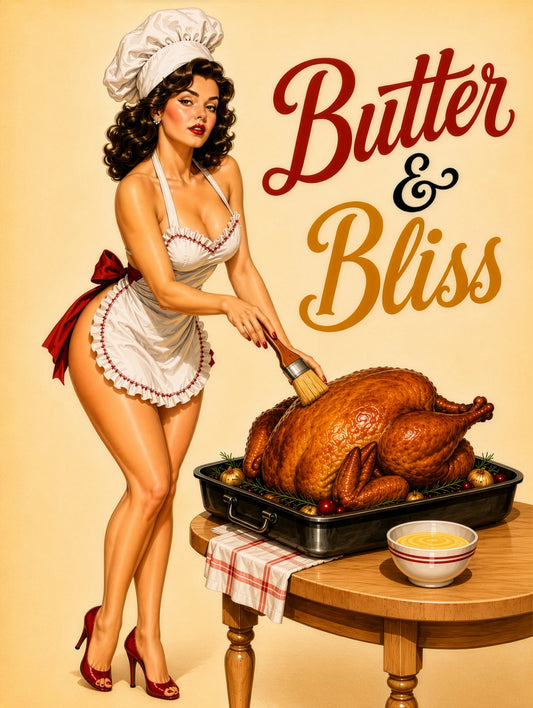
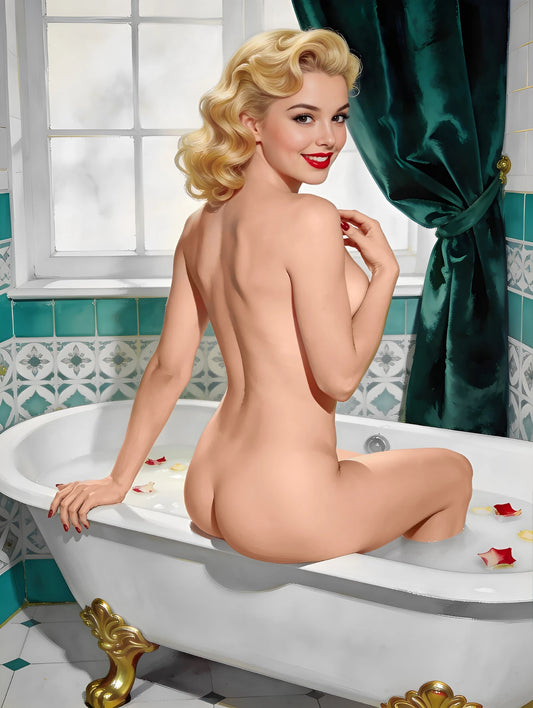
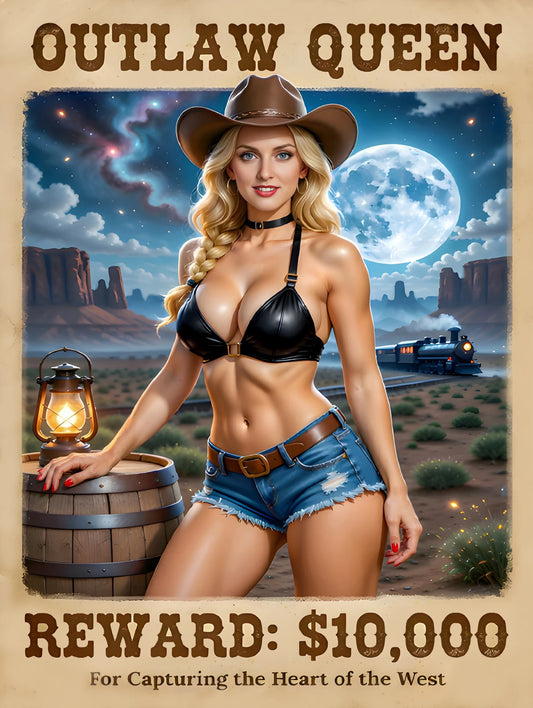
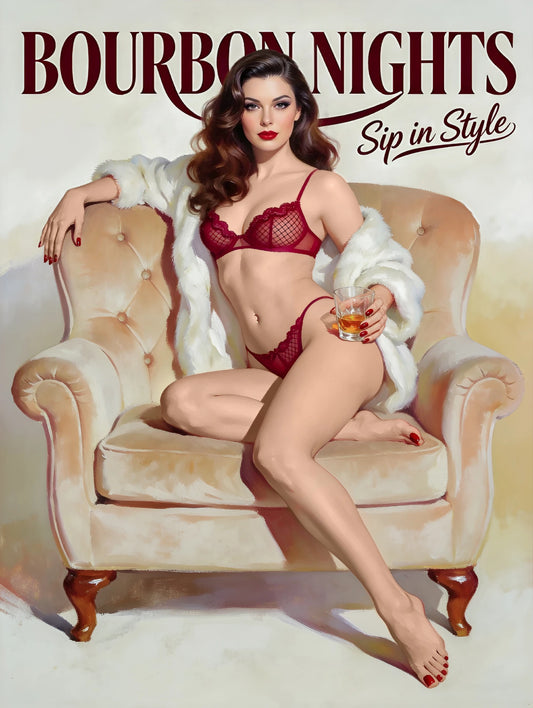
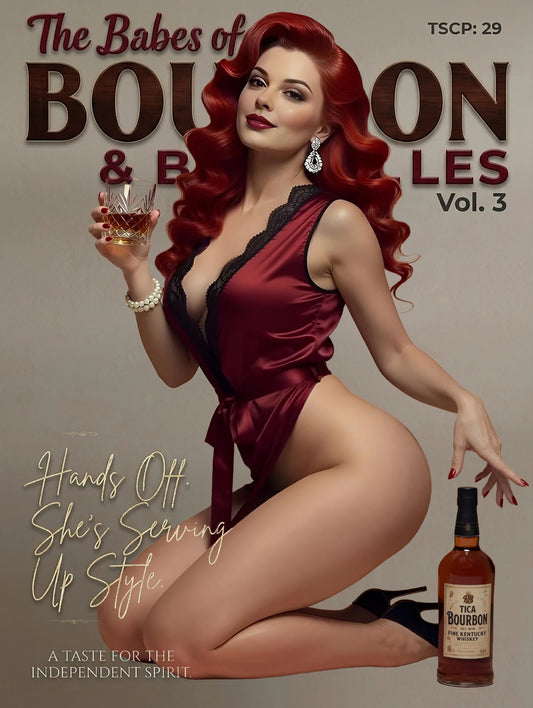
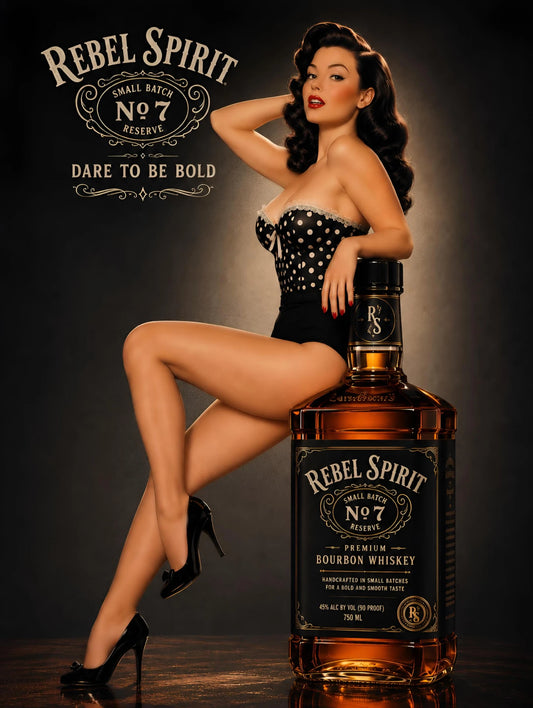
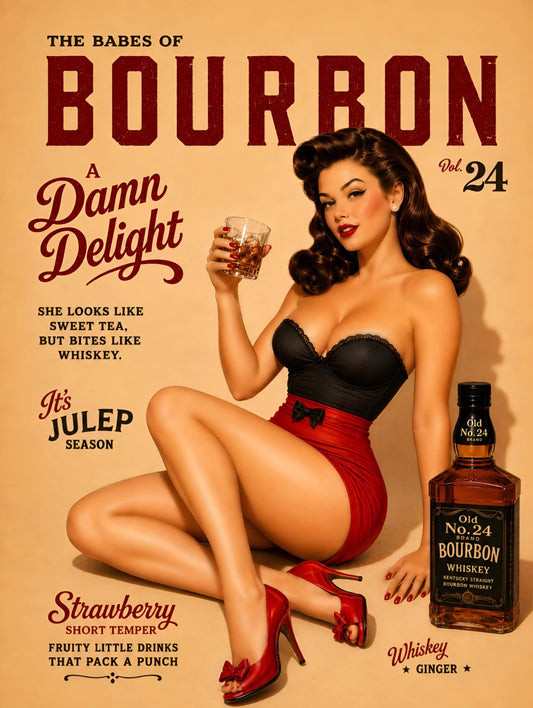
The pose is not the photograph. The pose is what makes the photograph — the specific configuration of the body in space that transforms a person standing in front of a camera into a pinup icon.
Vintage pinup poses are not accidents or improvised arrangements of limbs. They are carefully considered, historically developed, artistically informed visual strategies — the result of decades of refinement by photographers and illustrators who studied what configurations of the human body create the most compelling, most beautiful, most emotionally resonant images.
Understanding these poses — not just how to execute them but why they work, where they came from, and what they communicate — transforms a photoshoot from a session of uncomfortable posing into a genuinely creative act. And for customers of Pinup Art Studio, that understanding translates directly into better reference photographs and more extraordinary finished custom pin up portraits.
📜 The History and Development of Vintage Pinup Poses
From Academic Drawing to Pin Up 🏛️
The foundational vocabulary of pinup poses did not emerge from commercial illustration — it came from the academic figure drawing tradition that is as old as Western art. The contrapposto, the S-curve, the reclining figure — these positions have been studied and refined since classical antiquity.
When commercial illustrators like Elvgren and Vargas trained in academic art schools, they absorbed this vocabulary. The poses in their pin up illustrations are not inventions — they are applications of classical figure positioning principles to the specific context and specific visual goals of commercial illustration.
This connection to the academic tradition is part of why vintage pinup poses age so well — they are founded on principles that were developed by centuries of observation of what makes figurative art compelling.
The Hollywood Influence 🎬
Hollywood glamour photography — the work of Hurrell, Bull, and their contemporaries — created a specific vocabulary of poses calibrated for the specific technical requirements of 1940s–50s photography: the limitations of film sensitivity, the qualities of studio lighting, the specific way that film reproduced skin tones and fabric textures.
The vintage pinup poses that developed from this Hollywood context have a specific quality of being designed for the camera — of understanding the difference between what looks natural in person and what looks natural in a photograph.
The Pin Up Illustrators' Contribution 🖌️
What Elvgren and Vargas added to the borrowed vocabulary of academic drawing and Hollywood photography was narrative context and emotional warmth. They didn't just pose their figures — they caught them mid-moment, created situations that gave the poses meaning, and developed compositional strategies that combined pose with setting to create complete narrative images.
The "wind-blown skirt" pose, the "ladder reaching" pose, the "dog stealing the stocking" pose — these are not just poses but stories. The position of the body communicates not just "I am beautiful" but "I am here, in this moment, something is happening, and I am responding to it with charm and confidence."
🎯 The Vocabulary of Vintage Pinup Poses
The Contrapposto Foundation ⚖️
The contrapposto — Italian for "counter-pose" — is the classical figure drawing principle of distributing the body's weight unevenly between the two legs, creating an asymmetrical position that appears naturally at ease.
In vintage pinup terms: one hip elevated (the weight-bearing side), the opposite shoulder slightly dropped, the body creating a gentle S-curve from feet to head. This single principle underlies virtually every successful vintage pinup pose.
Why it works: The human body in symmetrical, evenly balanced standing position looks stiff and confrontational. Contrapposto creates the appearance of natural, relaxed ease — the body as it organically arranges itself when at rest.
The Narrative Gesture 📖
The most distinctively Elvgren-influenced pose element — the specific gesture that tells the story. A hand raised to the mouth in surprise. Arms extended to prevent a fall. Hands attempting to control a wind-blown skirt.
Narrative gestures transform static poses into dynamic moments — creating images that feel like frames captured from an ongoing story rather than poses held for a camera.
The Direct Engagement 👀
The specific quality of engaging directly with the viewer — looking at rather than past or through them. This element distinguishes pinup poses from fashion poses, where the model typically looks past rather than at the camera.
Direct engagement creates intimacy — the specific pleasure of feeling seen by a beautiful, confident person who finds you interesting.
💃 The Five Fundamental Vintage Pinup Poses
1. The Standing Contrapposto 🌟
The foundation of all standing pinup poses. Weight on one hip, slight S-curve through the body, direct eye contact.
Historical origin: Classical Greek sculpture — the pose has been recognized as beautiful for 2,500 years.
Pinup application: Gil Elvgren's standing figures almost always begin from this foundation, adding specific gesture and setting detail to create individual narrative situations.
Visual effect: Effortless confidence and natural feminine grace.
2. The Over-the-Shoulder 💋
Body turned partially away, face looking back toward the viewer over one shoulder.
Historical origin: Developed in Hollywood photography — Hurrell used it extensively with female stars to create images that were simultaneously formal and intimate.
Pinup application: Particularly associated with Betty Grable's famous white swimsuit photograph — the most widely distributed pinup image in history.
Visual effect: Mid-movement intimacy — the viewer has been noticed in the act of looking, and the subject is pleased rather than startled.
3. The Seated Pin Curl 💺
Seated with ankles crossed, leaning slightly forward from the waist, hand on knee.
Historical origin: Victorian and Edwardian portrait photography conventions, refined through the studio portrait tradition of the 1920s–30s.
Pinup application: Vargas used this as the basis for many of his most intimate figures — the close, personal quality of the seated pose suited his approach to viewer engagement.
Visual effect: Personal, engaged, intimately present.
4. The Recline 🛋️
On the side, propped on one elbow, body at an angle to the viewer.
Historical origin: Classical painting's treatment of Venus and the reclining nude — one of the oldest Western art poses.
Pinup application: Elvgren's reclining figures have a quality of domestic comfort — a woman completely at ease in her own space, captured in a moment of leisure.
Visual effect: Luxury, ease, complete ownership of personal space.
5. The Narrative Mid-Moment 💨
Any pose that captures a specific moment of action or reaction — the wind-blown skirt, the surprised expression, the mid-activity pose.
Historical origin: Genre painting tradition — the idea that art could capture life mid-flow rather than in formal poses.
Pinup application: Elvgren's most distinctive contribution to pinup pose vocabulary — the figure caught in a charming, slightly comic moment that reveals personality through action.
Visual effect: Alive, specific, narrative. The viewer feels they've encountered a real person in a real moment.
📸 Applying Vintage Pinup Poses to Your Reference Photo
Understanding the historical and artistic context of vintage pinup poses helps you inhabit them more authentically. When you know that the contrapposto has been recognized as beautiful for 2,500 years — not because someone decided it was fashionable but because it reflects how naturally confident human bodies arrange themselves — you can approach it as a natural position rather than a performance.
For your reference photo at Pinup Art Studio:
- Begin from the contrapposto foundation — all other poses build from here
- Add a specific narrative gesture if you want an Elvgren-influenced result
- Ensure direct, warm, engaged eye contact with the lens
- Let the expression be genuine — the specific emotional register of whichever portrait style you've chosen
Submit your reference photos with detailed style notes and let our artists create your extraordinary portrait.
❓ Frequently Asked Questions
Q: How long does it take to become comfortable with vintage pinup poses? Most people find that 3–4 practice sessions in front of a mirror produce significant improvement. The contrapposto foundation, once understood and practiced, becomes intuitive relatively quickly.
Q: What's the single most important vintage pinup pose to master? The contrapposto/S-curve standing pose. It underlies everything else and creates the most universally flattering and most authentically vintage result from any angle and any figure type.
Q: Can I submit multiple reference photos in different poses? Yes — many customers submit 3–5 photographs in different poses. Our artists select the most effective one as the primary reference or synthesize elements from multiple photographs into a single composition.
🚀 The Pose That Makes the Portrait
The right pose transforms a reference photograph into something that gives our artists everything they need to create an extraordinary portrait. The wrong pose — stiff, symmetrical, unengaged — produces a portrait that struggles from the beginning.
Practice the vintage pinup poses. Find the ones that feel natural to your specific body and personality. Photograph them. And then submit your best to Pinup Art Studio for your masterpiece.
📸 The right pose. The right photograph. The right portrait. Everything starts here. ✨