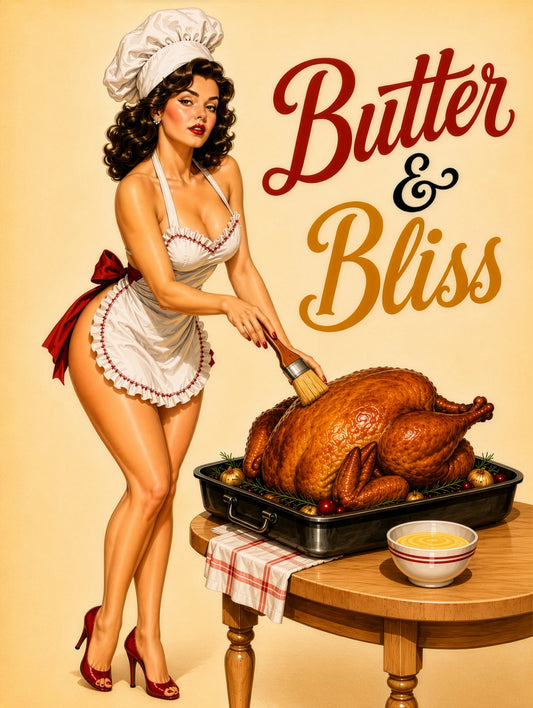
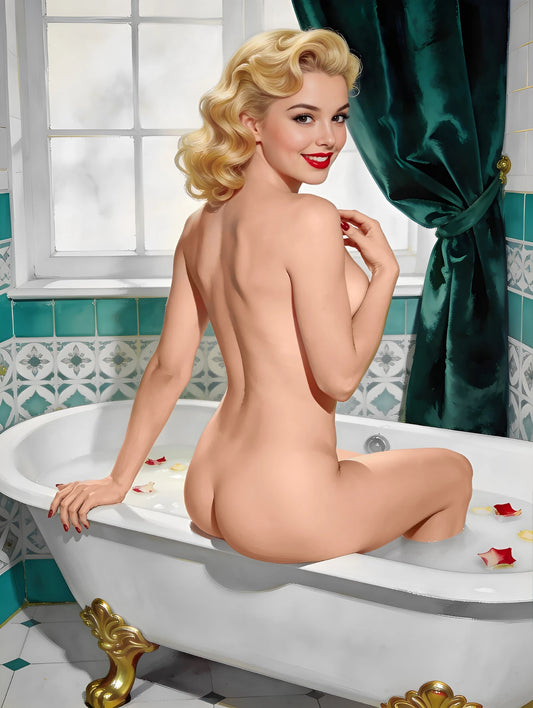
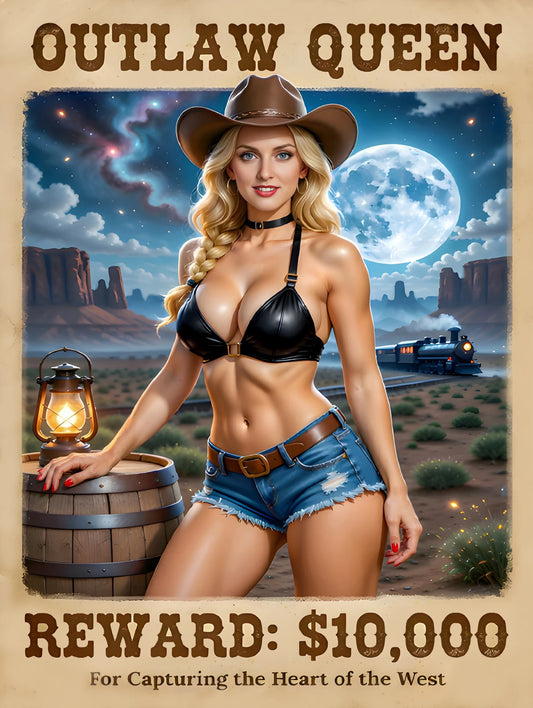
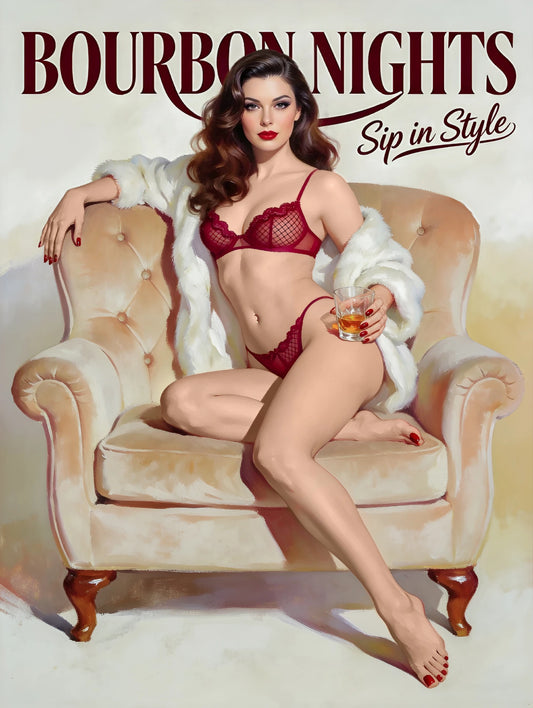
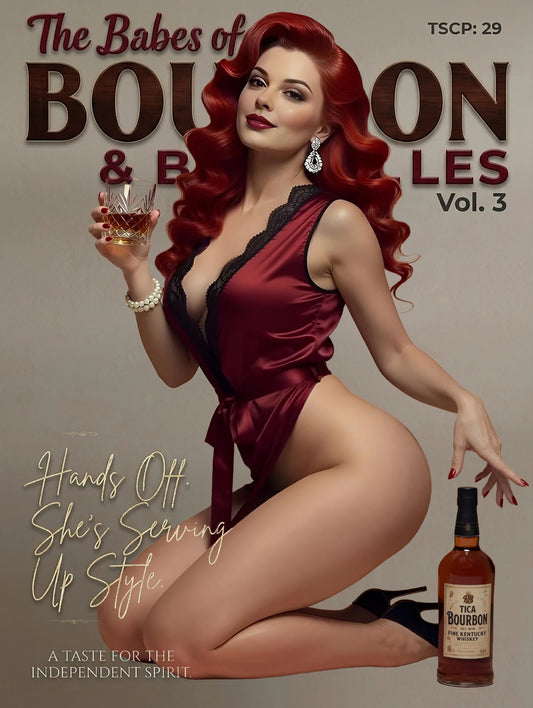
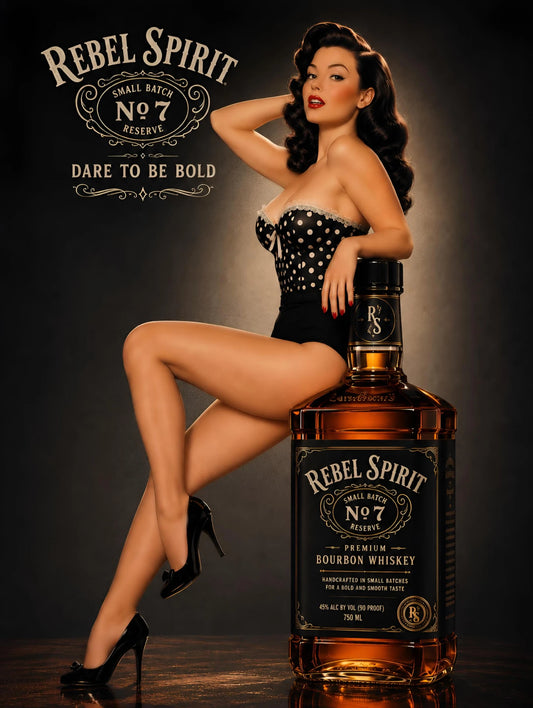
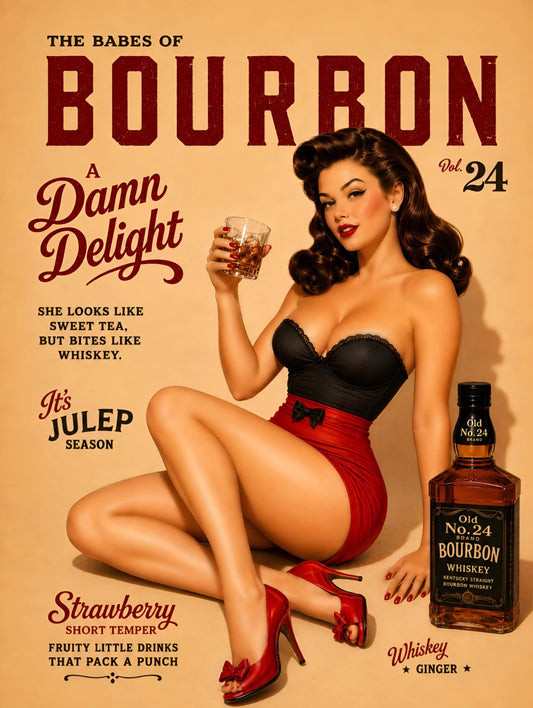
There is a specific quality in Alberto Vargas pinups that separates them from all other pin up art — a quality that collectors, artists, and admirers recognize immediately but find genuinely difficult to fully articulate. They call it luminosity. They call it refinement. They call it a quality of being lit from within.
What they are describing, technically, is the specific result of Vargas's airbrush mastery — a technique so thoroughly understood and so completely controlled that it produced figurative painting of a quality genuinely comparable to the finest oil painters of the European tradition. And what they are responding to emotionally is something beyond technique: the specific combination of idealized beauty and genuine warmth that makes Vargas's figures feel like people rather than icons, despite their obviously non-realistic perfection.
At Pinup Art Studio, we study Vargas's technical and aesthetic achievements carefully — because our Vargas-style pin up portrait is a direct attempt to honor his tradition in contemporary portrait work. This guide explores the specific technical and aesthetic principles that made Alberto Vargas pinups so extraordinary. 🌹
🔬 The Technical Mastery: How Vargas Created His Effects
The Airbrush: Medium and Mastery 💨
The airbrush is a tool of extraordinary precision and extraordinary difficulty. Unlike a conventional brush, which deposits paint through physical contact, the airbrush uses compressed air to atomize paint into fine particles that can be deposited with microscopic precision — or allowed to blend gradually across wide areas of color transition.
Vargas came to the airbrush after extensive training in conventional European painting techniques. This foundation was essential — without deep understanding of how paint behaves, how color interacts, and how light models form, airbrush mastery produces technically slick but emotionally empty work.
What Vargas achieved with the airbrush that others could not:
Gradient control at the micro level — Vargas's skin surfaces feature color transitions so gradual that they appear completely seamless. The specific warm-to-cool shift across a cheek, the subtle darkening at the hairline, the specific luminous quality of an earlobe in warm light — these micro-level transitions require extraordinary control.
Texture differentiation — Different surfaces in a Vargas illustration have different visual textures: the smoothness of skin, the subtle sheen of silk, the soft diffuseness of hair, the crisp reflection of patent leather shoes. Each texture is achieved through different airbrush techniques — pressure variation, distance variation, masking technique variation.
Edge quality management — The edges in Vargas illustrations are not all the same quality. Some are hard (the precise edge of a shoe heel, the clean line of a stocking seam), some are soft (the transition from hair to skin), some are almost invisible (the edge between two adjacent skin tones). Managing edge quality across a complex composition is one of the most demanding aspects of professional airbrush work.
The Watercolor Foundation 🎨
A detail often overlooked in analysis of Vargas's technique: his airbrushed works were typically built over watercolor underpaintings rather than applied directly to white paper or board.
This foundation layer served several purposes:
Color complexity — The watercolor underpainting had its own color variation that showed through the transparent airbrushed layers above it, creating a complexity of color that pure airbrush work lacks.
Warmth — Watercolor has a specific quality of warmth and organic variation that airbrush, applied directly, doesn't naturally create. The watercolor foundation gave Vargas's work a specifically warm quality that distinguishes it from the cooler, more mechanical quality of pure airbrush illustration.
Speed and economy — The watercolor underpaint allowed Vargas to establish the overall value structure of the composition quickly, reserving the time-consuming airbrush work for the final refinements.
The Proportional System: Beauty Through Distortion 📐
Vargas developed a consistent approach to figure proportions that was deliberately, specifically different from natural human proportions:
The legs — Vargas's most distinctive proportional choice. His figures' legs are significantly longer in relation to body height than natural anatomy produces. The effect is not grotesque (as extreme exaggeration can be) but specifically beautiful — the elongated leg creates a quality of gracefulness that natural proportions don't achieve.
The neck — Long and graceful, giving his figures a regal bearing that short necks preclude.
The feet — Small and delicate, always in high heels that further elongate the line from ankle to toe.
The hands — Vargas gave extraordinary attention to his figures' hands — often the most expressively painted element, rendered with the care of a portraitist rather than the efficiency of a commercial illustrator.
🌸 The Aesthetic Vision: What Vargas Was Creating
Beyond technique, Vargas had a specific aesthetic vision — an idea of what a figure should communicate, what qualities of beauty and personality a great pin up figure should embody.
The Luminous Woman 💫
Vargas's ideal was luminous — a figure that appeared to be a source of warm light rather than a reflector of external light. This quality communicated not just physical beauty but a kind of inner vitality — a warmth coming from within that was simultaneously visual and emotional.
The Graceful Woman 🌿
Grace — in the specific sense of easy, effortless movement and bearing — was central to the Vargas aesthetic. His figures never looked strained or tense. They moved through space with a quality of ease that communicated both physical capability and emotional security.
The Warm Woman 🌹
Despite the technical refinement and the idealized proportions, Vargas's figures are warm. They look AT the viewer with an expression of genuine, personal engagement — not the cold stare of a fashion model, not the blank presentation of a commercial prop, but the specific warmth of a person who finds the world interesting and is happy to include the viewer in that interest.
🖌️ How Our Artists Honor the Vargas Tradition
At Pinup Art Studio, our Vargas-style portrait work draws from all of these technical and aesthetic principles:
Luminosity through digital technique — Our artists use digital painting tools that allow the smooth gradients and layered color complexity that characterizes Vargas's airbrush work. The visual result honors his aesthetic even through different technical means.
Proportional elegance — Figures rendered with the graceful elongation that distinguishes Vargas's work from more naturalistic approaches.
Minimal backgrounds — The soft gradient backgrounds that give Vargas's figures their timeless, placeless quality.
Warmth despite refinement — The most important element. Our artists understand that technical sophistication without emotional warmth produces cold, admirable but unloved portraits. The Vargas tradition demands both.
Visit our Vargas-style portrait page to commission your own luminous portrait in this tradition.
❓ Frequently Asked Questions
Q: Can digital art achieve the same luminous quality as Vargas's airbrush work? With skilled artists and appropriate technique, digital work can closely approximate the visual qualities of Vargas's airbrushed figures — the smooth gradients, the luminous skin quality, the specific color complexity. The result is visually indistinguishable to most viewers.
Q: Which Vargas era does Pinup Art Studio's style reference most directly? Our Vargas-style portrait draws from the qualities common to all eras — the luminosity, the elegant proportions, the warm background approach. We can calibrate toward the Esquire-era warmth or the Playboy-era refinement based on your preference — specify in your style notes.
Q: Is the Vargas portrait more expensive than other portrait styles? Visit Pinup Art Studio for current pricing on all portrait styles.
🚀 The Gold Standard of Pin Up Art — In Your Portrait
Alberto Vargas created the gold standard of pin up art — work so technically accomplished and so aesthetically refined that it remains the benchmark against which all other work in the tradition is measured.
👉 Commission your Vargas-style luminous portrait at Pinup Art Studio today and own a piece of the greatest technical tradition in pin up art history.
✨ The luminosity. The elegance. The warmth. The Vargas legacy — yours. 🌹