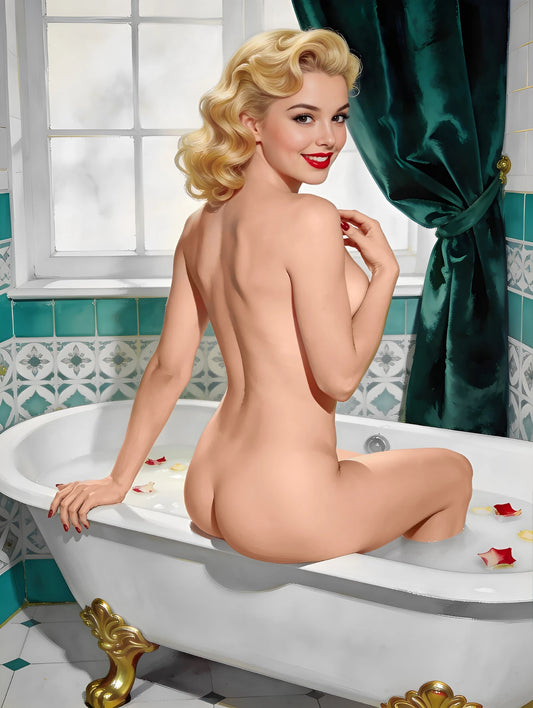
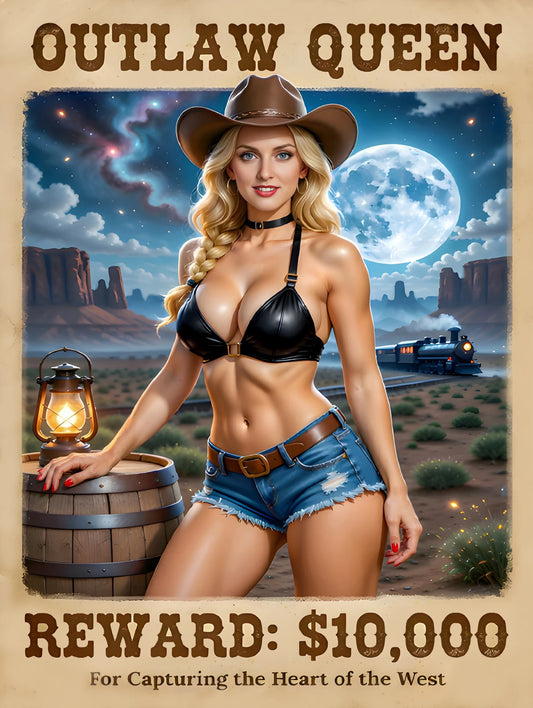
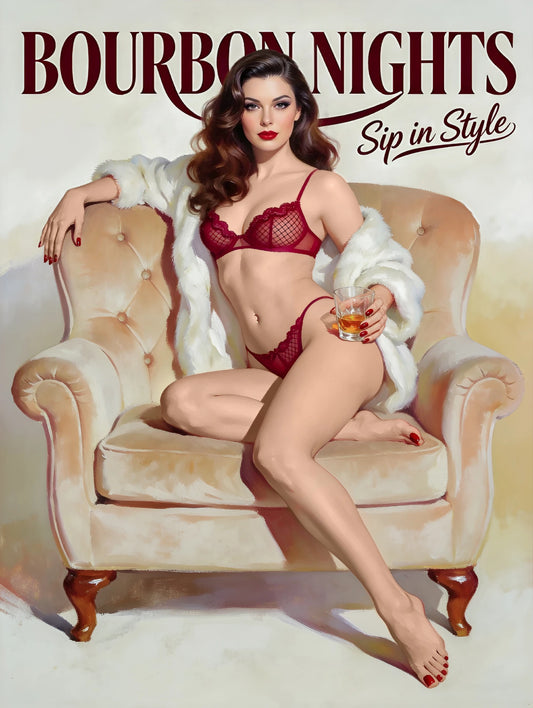
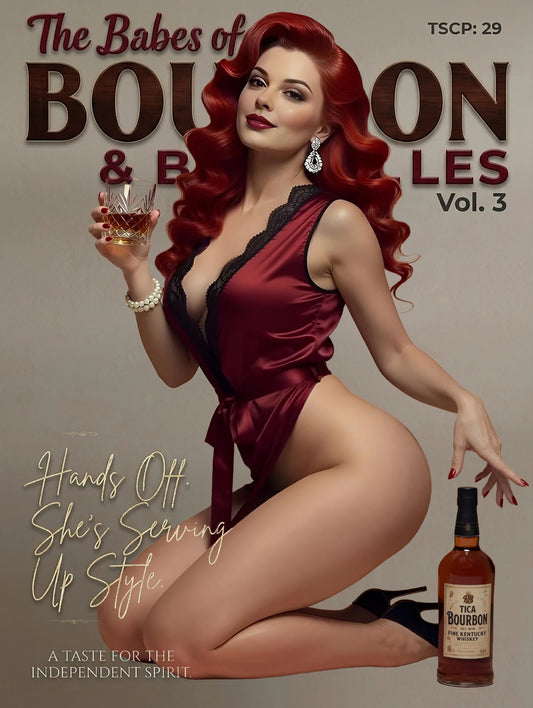
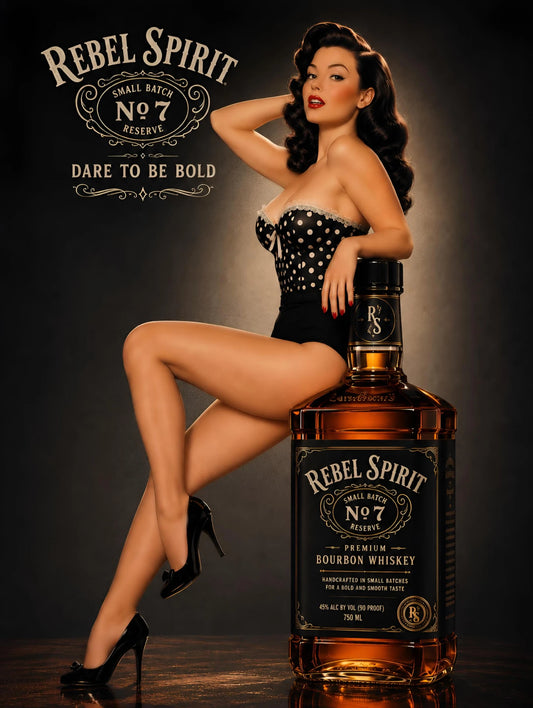
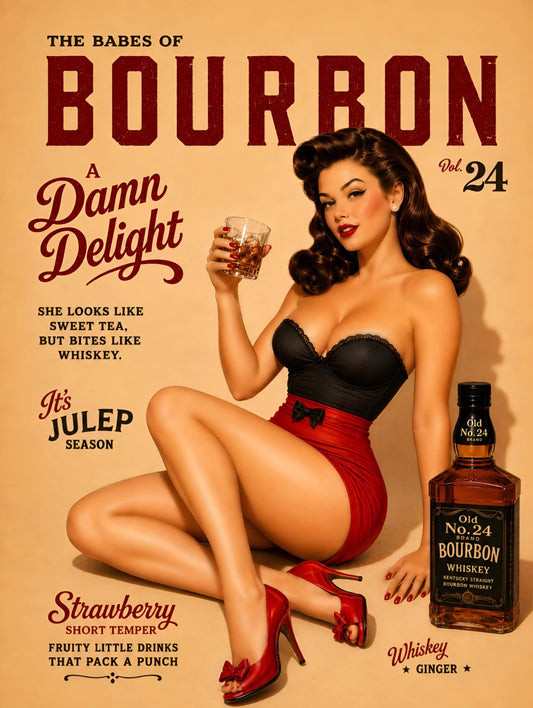
They were the faces of an era. The women whose photographs graced calendar pages, magazine covers, and the personal collections of millions of Americans. The 1950 pin up models were not simply attractive people who stood in front of cameras — they were active participants in the creation of visual culture, women whose specific qualities of beauty, personality, and self-presentation shaped how an entire generation understood what it meant to be a beautiful woman in post-war America.
Understanding who these women were — not just as images but as people, with histories and personalities and specific qualities that made them so compelling — deepens our appreciation of the pin up tradition and illuminates why these images have never lost their power.
At Pinup Art Studio, we honor this tradition of specific, personal, genuinely human beauty in every portrait we create. Our custom pin up portraits celebrate specific people rather than generic ideals — in the exact spirit of what made the great 1950s pin up models so enduring.
🌟 The Great 1950 Pin Up Models
Bettie Page (1923–2008): The Queen of Pin Up 👑
Already covered in depth in our dedicated guide, but impossible to omit here. Page's modeling career was concentrated primarily in 1950–1957, making her the quintessential 1950 pin up model.
What distinguished Page from every other model of her era: the complete, total, unconstricted naturalness she brought to every photograph. She was not performing for the camera — she was genuinely inhabiting the moment the camera was recording.
Marilyn Monroe (1926–1962): The Incandescent 💛
Monroe's pin up modeling began before her film career established her as a star — her early 1949 nude calendar photographs (later published in Playboy's first issue) are among the most beautiful pin up photographs ever made.
By 1950, Monroe was beginning her film career while simultaneously establishing herself as a pin up presence of extraordinary power. Her specific quality: luminous, warm, vulnerable yet confident, sexual yet innocent — a combination of apparently contradictory qualities that no other figure has replicated.
Betty Grable (1916–1973): The Accessible Goddess 🌟
Grable's wartime pin up dominance carried through into the early 1950s — and her specific quality (warm, accessible, genuinely human) defined one entire approach to pin up modeling that remains influential today.
Jayne Mansfield (1933–1967): The Maximalist 💥
Mansfield's approach to pin up modeling was theatrical maximalism — more of everything, always. More platinum blonde. More extreme curves. More theatrical poses. More unabashed celebration of physical spectacle.
She was sometimes dismissed as a Marilyn Monroe imitator, but this misses what made her distinctive: while Monroe's appeal was partly rooted in genuine vulnerability, Mansfield was entirely performance — a completely conscious, completely committed theatrical spectacle that had its own specific power.
Anita Ekberg (1931–2015): The European Dimension 🌍
The Swedish actress and model brought a distinctly European quality to American pin up culture — a different physical type, a different bearing, a different approach to glamour that demonstrated the tradition's capacity to absorb and celebrate beauty across cultural traditions.
Her most famous image — wading in the Trevi Fountain in Fellini's "La Dolce Vita" (1960) — belongs as much to the pin up tradition as to cinema history.
Cyd Charisse (1922–2008): The Dancer 💃
Charisse's pin up appeal was inseparable from her extraordinary dance talent — her long, perfectly proportioned legs and the specific physical grace of a trained dancer created pin up images of exceptional elegance.
June Wilkinson (born 1940): The British Invasion 🇬🇧
The British-born model who arrived in America in the late 1950s — her extraordinary physical proportions and confident presentation made her one of the most celebrated pin up figures of the transitional period between the 1950s and 1960s.
🎨 What Made These Women Iconic
The Specific Combination of Confidence and Accessibility 💪
The 1950 pin up models who endured were not simply beautiful — they were beautiful in a specific way. Not the cold, intimidating beauty of high fashion. Not the untouchable perfection of fine art idealization. A warm, confident, specific, human beauty that communicated personality alongside physical appeal.
The Presence in Front of the Camera 📸
Every great pin up model had a specific quality of presence — an awareness of the camera that was neither stiffness nor performance but something more like conversation. They looked at the lens as if it were a person they found interesting, creating an intimacy between image and viewer that purely decorative photographs can't achieve.
The Individual Personality 🌈
What distinguishes the great 1950 pin up models from each other — and from lesser figures — is that each had a specific, recognizable personality visible in their photographs. Page's joyful naturalness. Monroe's vulnerable luminosity. Grable's warm accessibility. Mansfield's theatrical exuberance. These personalities were not manufactured by publicists — they were genuine, visible, and photographically real.
🖌️ Your Portrait in the 1950 Pin Up Model Tradition
The tradition of the great 1950 pin up models is not just historical — it is a living practice that continues at Pinup Art Studio in every portrait we create.
When we commission your portrait, we are asking the same question that the great pin up photographers and artists of the 1950s asked: What specific, genuine, irreplaceable quality does this particular person carry — and how do we capture and celebrate it as fully as possible?
Browse our full portrait range to find the style that best honors your specific, personal quality:
- Classic Pin Up Portrait — Warm, human, Grable-adjacent accessibility 🌹
- Bombshell Pin Up Portrait — High drama Mansfield-adjacent maximalism 💥
- Classic Beauty Portrait — The Bettie Page quality of natural, joyful confidence
- Glam Pin Up Portrait — Monroe-adjacent luminous glamour 💎
❓ Frequently Asked Questions
Q: Who was the most important 1950 pin up model? Bettie Page is most consistently cited as the definitive pin up model of the era — and of all time. Betty Grable was more commercially successful at the time; Monroe had more cultural longevity. Each represents a different approach to pin up beauty.
Q: Were all 1950 pin up models professional models? Many were — the major calendar and magazine pin up work was produced with professional models. But the Klaw underground tradition, in particular, worked with women who came from diverse backgrounds and were not necessarily professional models.
Q: Can I commission a portrait that references a specific 1950 pin up model's aesthetic? Yes — specify your preferred aesthetic reference in your style notes when ordering at Pinup Art Studio.
🚀 Join Their Legacy
The 1950 pin up models created a visual tradition of warm, confident, genuinely human beauty that has never stopped inspiring. You don't need to be Bettie Page or Marilyn Monroe to claim your place in that tradition — you just need to be entirely, authentically, magnificently yourself.
👉 Commission your custom pin up portrait at Pinup Art Studio today and join the most iconic visual tradition in American history.
🌹 They defined beauty for their generation. You define it for yours. ✨